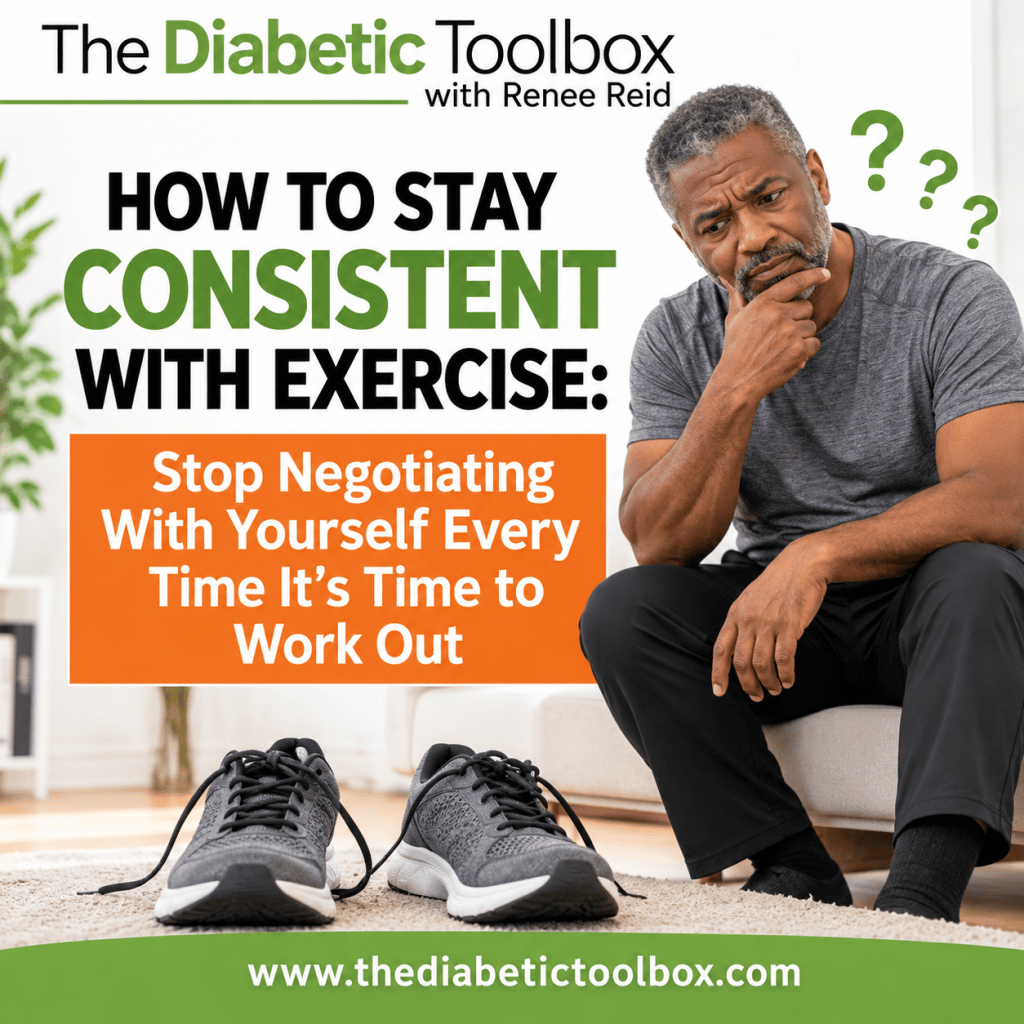
Have you ever spent more time convincing yourself to exercise than you would have spent actually working out? I have, and let me tell you, it is exhausting! It never fails. I create a workout routine, get excited about how much better I’ll feel, and promise myself that this time I’ll stick with it. Then, when it’s time to exercise, the negotiations begin.
Should I do it now? Could I do it after lunch? I’m feeling a little tired. Perhaps tomorrow would be better. And before I know it, walking for 15 minutes on my walking pad has turned into a full-blown tug of war with myself. The worst part isn’t even missing the workout. It’s how I feel afterward. Drained, disappointed, and frustrated that something so good for me has become so difficult to do.
For a long time, I thought the problem was me. I wasn’t disciplined enough. I didn’t have enough willpower. Perhaps I just didn’t care enough about my health to do the work. Oh, my friends, I went down that rabbit hole more times than I care to admit!
But I’ve learned something important about staying consistent with exercise. Sometimes the problem isn’t your commitment to your health. It’s how you’ve designed your workout routine, the expectations you’ve attached to it, and the conversation you have with yourself before you even begin. And those are things we can work on.
Hello everyone, and welcome to The Diabetic Toolbox, where we are on a mission to end type 2 diabetes one family at a time through education, support, and empowerment.
If this is our first time meeting, my name is Renee. I am an emotional eating and diabetes lifestyle coach and yoga teacher. I help adults over 40 with prediabetes or type 2 diabetes lower their blood sugar, lose weight, and improve mobility without extreme dieting or spending hours in the gym.
Today, we’re talking about how to stay consistent with exercise, why we keep negotiating with ourselves when it’s time to move, and three things that might be making our workout routines harder than they need to be.
More importantly, I’m going to share what we can do about them because I want us to experience movement as something we get to do, rather than another obligation hanging over our heads.
And we have good reasons to do this. Regular physical activity is one of the most useful tools we have for supporting blood sugar management, maintaining a healthy weight, improving mobility, and protecting our independence as we get older. So why is it so darn hard to stick with a workout plan? Let’s talk about it.
1. You May Be Experiencing Decision Fatigue Before Your Workout Even Begins
Have you ever noticed how much easier it is to make a healthy decision in the morning than it is after a long, demanding day? By the time you’ve worked, prepared meals, answered questions, handled family responsibilities, and taken care of everything else that needed your attention, making one more decision can feel overwhelming. Even when that decision is something you genuinely want to do.
This is where decision fatigue comes in. Decision fatigue describes how repeated choices and mental demands can make additional decisions feel harder. It isn’t the explanation for every missed workout, but it can contribute. Think about what happens when your workout routine requires you to make several decisions every day. What time will I exercise? Should I walk or lift weights? How long should I work out? Do I need to change clothes? What if I don’t feel like doing the entire routine?
Suddenly, a 15-minute walk requires ten minutes of planning and another fifteen minutes of talking yourself into it. And some days, you never get started.
How to fix it: Make your workout decisions ahead of time
One of the most practical ways to reduce exercise negotiations is to stop making the same decisions every day. Instead of waking up and wondering when you’ll exercise, decide in advance.
For example, if you’ve chosen to walk on your walking pad for 15 minutes on Monday, Wednesday, and Friday, put those sessions on your calendar like a doctor’s appointment or a meeting.
Then prepare the space. Keep your walking shoes nearby, make sure your walking pad is ready, and choose something enjoyable to listen to while you walk. I especially love pairing movement with something you already enjoy, like a podcast, an audiobook, or your favorite music.
Now, when your scheduled time arrives, you don’t have to figure out what you’re doing. You’ve already made those decisions. Of course, life happens. Some days, your schedule will need to change. Having a plan doesn’t mean you ignore your body or your responsibilities.
It means you don’t have to start the entire decision-making process from scratch every time you want to exercise. And for those of us who are managing prediabetes or type 2 diabetes, that matters because finding ways to make movement part of our regular routine can support more consistent blood sugar management.
2. Your Workout Routine May Feel Like Another Demand Instead of Something You Enjoy
Now, this one really made me think about how I approach exercise. How many times have you told yourself, “I have to work out today”? I have to get my steps in. I have to burn some calories. I have to lose this weight. I have to get my blood sugar down. Notice how much pressure those statements carry.
Exercise becomes another task on an already crowded to-do list, and every workout starts to feel like an obligation. For some of us, exercise also comes with years of emotional baggage. We remember the fitness programs we started and abandoned. The gym memberships we paid for but rarely used. The workout videos collecting dust. The promises we made to ourselves every January.
And when we decide to begin again, all those previous experiences can come along for the ride. Before we even put on our walking shoes, we’re thinking about the last time we didn’t follow through. It’s no wonder some of us feel resistance when it’s time to exercise!
How to fix it: Choose movement you actually want to repeat
One thing I’ve come to appreciate as a yoga teacher is that movement doesn’t have to look the same for everyone. Some people genuinely love the gym. Others prefer walking outdoors, dancing in the kitchen, swimming, cycling, or practicing chair yoga.
And you know what? Those are all legitimate ways to be physically active. If your workout routine makes you miserable, it’s worth asking whether the problem is exercise itself or the particular activities you’ve chosen.
For example, if you dread walking on your treadmill but love walking through your neighborhood, why not take your walks outside when the weather permits? If you dislike traditional aerobics but enjoy dancing, put on your favorite music and move for 15 minutes.
If you’re managing joint stiffness or limited mobility, gentle chair exercises or an appropriately modified yoga practice may be a more comfortable starting point.
The best exercise routine isn’t necessarily the most impressive. It’s one that is safe, supports your health goals, and fits well enough into your life that you want to return to it. I also want us to reconsider the way we talk about exercise.
Instead of saying, “I have to walk for 15 minutes because my blood sugar is too high,” try asking yourself, “What kind of movement would feel good for my body today?” That question doesn’t erase exercise’s health benefits. It gives you a chance to choose how you care for yourself. And that sense of choice can make a meaningful difference in motivation.
3. You May Be Asking Too Much of Yourself Before You’ve Built the Habit
Now, here’s where I have to raise my own hand. Have you ever created a workout schedule based on the person you hope to become instead of the life you’re actually living? You decide you’ll exercise five days a week, walk 30 minutes every morning, lift weights three times a week, and practice yoga on the weekends.
It sounds wonderful when you’re writing it down. But then Monday arrives, and you have a meeting. Tuesday, you’re exhausted. Wednesday, your knees are bothering you. By Thursday, you’re wondering why you can’t seem to follow through.
The problem may be that you’ve created a routine that requires more time, energy, or physical capacity than you can comfortably manage right now. And when you repeatedly struggle to meet those expectations, exercise can become associated with disappointment. That doesn’t mean your goals are unrealistic forever. It means your starting point deserves more attention.
How to fix it: Create a workout routine with room for real life
Think about the difference between your ideal workout and your realistic workout. Your ideal workout might be 45 minutes at the gym. Your realistic workout on a busy Tuesday might be a 10-minute walk after dinner. Both can contribute to your health.
Instead of expecting every workout to look the same, consider creating two versions of your exercise plan. Your regular workout might be 20 minutes of walking and a short strength-training session.
Your shorter option might be five minutes of comfortable walking or a few gentle mobility exercises. The shorter option isn’t a punishment or a failed workout. It’s an alternative for days when your usual routine isn’t practical. And sometimes, once you get started, you’ll feel like doing more. Other days, five minutes will be enough for what you can manage.
The goal is to make it easier to return to movement without turning every missed or shortened session into a judgment about your character. Of course, sometimes your body genuinely needs rest. Don’t ignore illness, injury, unusual fatigue, or concerning symptoms just to maintain a schedule. Learning to recognize those differences is part of developing a sustainable exercise routine.
4. Why Exercise Consistency Matters When You’re Managing Prediabetes or Type 2 Diabetes
This conversation matters most for those of us concerned about our blood sugar. When we move our bodies, our muscles use glucose for energy. Physical activity can also improve insulin sensitivity, helping the body use glucose more effectively.
That’s one reason walking, cycling, strength training, and other forms of movement can be valuable tools for managing prediabetes and type 2 diabetes. And here’s something encouraging. You don’t have to spend hours exercising to receive health benefits.
A short walk after a meal can help reduce the post-meal rise in blood sugar. Research shows that even brief post-meal walks can improve post-meal glucose responses. For someone struggling to exercise consistently, that creates an opportunity.
Instead of trying to fit an entire workout into an already busy day, you might begin with a 10-minute walk after lunch or dinner. You can walk outdoors, use your walking pad, or choose another safe form of movement that works for your body.
How much exercise should you aim for?
For most adults, including many people with type 2 diabetes, general physical activity recommendations include at least 150 minutes of moderate-intensity aerobic activity each week, along with muscle-strengthening activities on at least two days.
Listen up: those recommendations describe a useful longer-term target, not something every beginner must meet immediately. If you’re currently inactive, start with shorter sessions and gradually increase your activity. Regular movement can support:
- Blood sugar management: Working muscles use glucose, and physical activity can improve insulin sensitivity.
- Weight management: Exercise supports energy expenditure and helps maintain muscle, especially when combined with sustainable eating habits.
- Mobility and independence: Strength, balance, and flexibility activities help us continue doing everyday tasks.
- Heart health: Regular physical activity can help improve cardiovascular fitness and support healthy blood pressure.
- Emotional well-being: Movement can reduce stress and improve mood, which may also make it easier to maintain other healthy habits.
One important consideration: If you take insulin or certain diabetes medications, physical activity can sometimes cause low blood sugar. Talk with your healthcare team about appropriate precautions, glucose monitoring, and exercise adjustments.
And remember, although physical activity is an important part of diabetes management, it doesn’t replace medication, individualized nutrition guidance, or medical care when those are needed.
The question I want you to consider isn’t whether exercise matters. We already know it does. The question is how we can make regular movement easier to include in the lives we’re living right now.
5. How to Stop the Daily Exercise Negotiations Before They Start
Now that we’ve talked about three possible reasons you keep talking yourself out of exercise, let’s put everything together. Imagine tomorrow is one of your scheduled workout days. Instead of waiting until the morning to decide what you’re going to do, you make your plan tonight. You decide to walk for 15 minutes on your walking pad after breakfast.
You put your walking shoes beside the pad. You choose a podcast episode you’ve been wanting to hear. And you make sure your schedule allows enough time. Tomorrow morning, when that familiar voice starts asking whether you really need to exercise, you already know what you’ll do. You don’t need to argue with yourself about which workout to choose, where to exercise, or how long it should take.
Your plan is ready. But here’s something else I want you to remember. If you wake up feeling unusually tired, notice that your body needs additional recovery, or have another legitimate reason to adjust your plan, you can make that decision without turning it into a personal failure.
There is a difference between avoiding movement because getting started feels inconvenient and changing your workout because your circumstances genuinely require it. Learning to recognize that difference takes practice. And I think that’s one of the most valuable skills we can develop as we work toward healthier lives.
We don’t need to turn exercise into a daily battle to prove that we’re serious about our health. We need a routine that fits our bodies, our schedules, and our goals.
This Week’s Action Step: Make One Workout Decision Tonight
This week, try something different. Choose one day to exercise and make all the important decisions the night before. My no-negotiation movement plan:
- What movement will I do?
- Which day?
- What time?
- What’s my shorter option?
Now, I have set my movement plan. Then, when the scheduled time arrives, notice what happens. Do you feel less resistance because you’ve already made the decisions? Do you still feel reluctant? Does having a shorter option make getting started easier? Pay attention without criticizing yourself. You’re learning which conditions make movement easier for you, and that information can help you design a routine you’ll be more willing to repeat.
You Don’t Have to Fight With Yourself to Take Care of Yourself
My friends, let’s end today’s conversation by returning to that 15-minute walk on my walking pad. Think about how much energy we spend arguing with ourselves about something that takes less time to do than the argument itself.
I’ve spent plenty of days convincing myself that I needed more discipline, more motivation, or a stronger commitment to my health. But I’m beginning to understand that staying consistent with exercise takes more than wanting the benefits. It also requires paying attention to what makes exercise difficult to begin.
Sometimes we’re mentally exhausted from making decisions all day. Sometimes we’ve chosen workouts that feel like punishment instead of activities we enjoy. And sometimes we’ve created routines that don’t account for our schedules, energy levels, or physical abilities.
Those are different problems, and they deserve different solutions. We can plan our workouts in advance, choose movements that feel enjoyable, and build routines that let us adjust when life gets complicated. And for those of us managing prediabetes or type 2 diabetes, finding a sustainable way to move is especially worthwhile.
Every appropriate opportunity to be physically active can contribute to better health. A short walk after dinner, a chair yoga session, or a strength-training workout all have a place in a balanced movement plan. I also want us to stop treating exercise as something we have to earn or a punishment for what we ate yesterday.
Our bodies deserve care because they carry us through every part of our lives. They let us work, enjoy our families, travel, pursue our interests, and do the activities that matter to us. I want to keep doing those things for as many years as possible, and I know many of you do, too.
So this week, rather than promising yourself an entirely new fitness lifestyle, make one workout easier to begin. Prepare for it. Choose something you enjoy. Give yourself a realistic starting point. And see what happens when you spend less time negotiating and more time discovering what your body can do.
Let us know in the comments: What exercise do you find yourself talking out of most often, what excuses tend to show up when it’s time to begin, and what is one change you could make this week to help yourself get moving?
I’d love to hear how you’re working through this because I know I’m not the only one who’s had a fifteen-minute walk turn into a thirty-minute debate!
Until next time, take care of yourself and each other.
With Peace & Love,
Renee

Not Sure What to Eat After a Prediabetes Diagnosis?
Download the FREE What Am I Supposed to Eat Now? Starter Cookbook, created for people with prediabetes or type 2 diabetes who are ready to eat differently but aren’t sure where to begin. You’ll receive the 14-Day Whole Food Starter Guide, including 7 breakfasts, 7 lunches, 7 dinners, 7 snacks, a simple shopping list, meal-building tips, and a 14-day tracker.
No complicated meal plan. No separate meals for your family. Just simple, everyday food and practical guidance to help you answer the question: What am I supposed to eat now? Download the FREE Starter Cookbook and start with your next meal.
More Resources From The Diabetic Toolbox
The Diabetic Toolbox Podcast
Prefer to listen? Join Renee on The Diabetic Toolbox Podcast for practical, honest conversations about managing prediabetes and type 2 diabetes in everyday life.
Each episode explores topics such as blood sugar management, emotional eating, movement, healthy habits, weight loss, mobility, and building a lifestyle that supports your health without extreme diets or hours in the gym. Explore previous episodes wherever you listen to podcasts.
Reference Guide: Starting Your Movement Plan
Want something you can save and use when you’re ready to exercise? Download the companion reference guide, Starting Your Movement Plan: Yes, It Might Hurt, But This Will Help. This guide gives you practical reminders for preparing your body before movement, paying attention to how you feel while exercising, caring for your body afterward, and choosing an appropriate place to begin.
Renee & Ruby’s
Renee & Ruby’s was created in honor of my mother, Ruby, whose experience with type 2 diabetes remains central to The Diabetic Toolbox’s mission. Visit the shop to discover apparel, mugs, journals, totes, and other products designed to celebrate strength, encouragement, and the women we love. Your purchases also help support our work serving people and families affected by prediabetes and type 2 diabetes.
Disclaimer: Health and Wellness Disclaimer
The Diabetic Toolbox provides content for educational and informational purposes only and is not a substitute for professional medical advice, diagnosis, or treatment. Always consult your healthcare provider before changing your diet, medications, or exercise routine. All physical activities, including yoga and walking, carry a risk of injury, and participation is voluntary and at your own risk. Individual results vary, and we don’t guarantee specific improvements in health, fitness, weight loss, or blood sugar. Your health and safety are our priority, and we’re honored to be your health partner.

