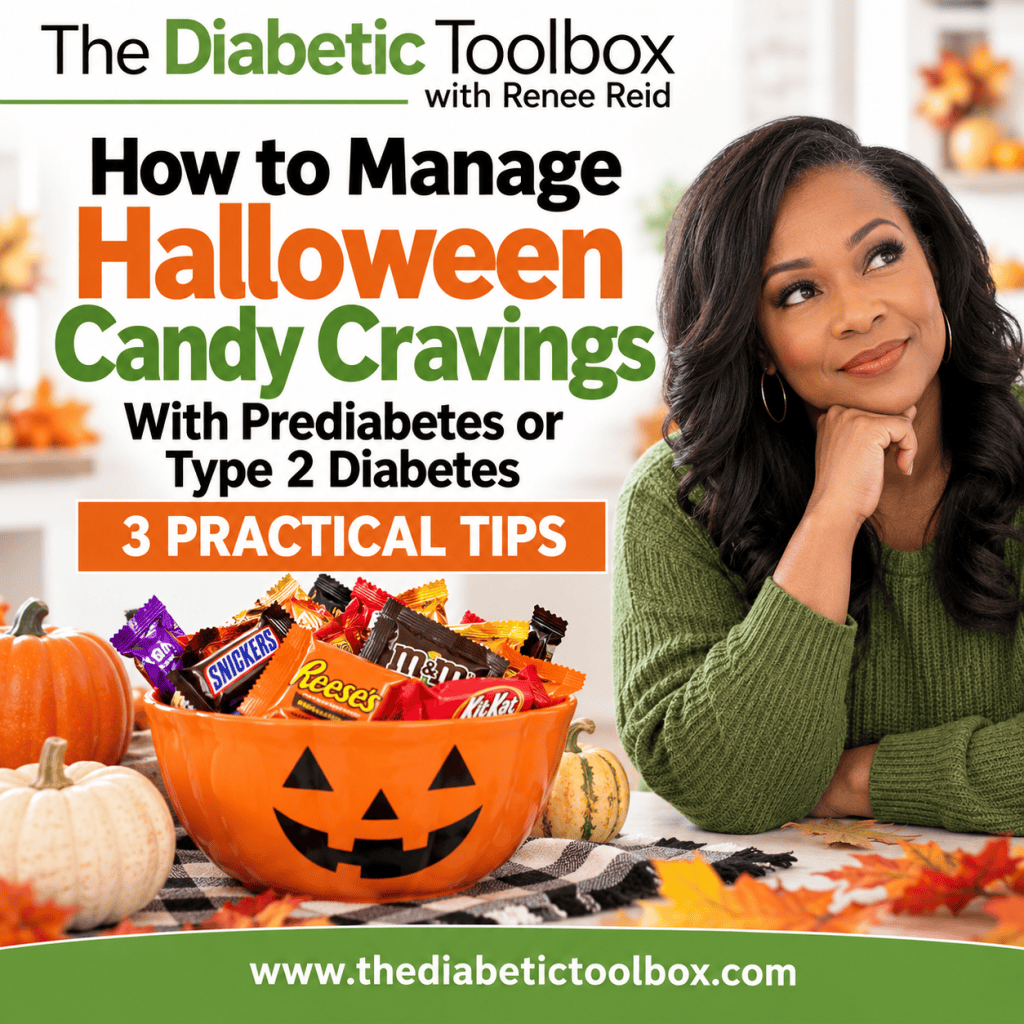
Is it just me, or does fall make managing your sweet tooth a little more challenging? Think about it. From September through December, it seems like every month brings another holiday, another celebration, and another reason to enjoy something sweet. And if you’re reading this in October, Halloween is right around the corner!
There’s the candy dish sitting on your coworker’s desk, the Halloween treats showing up at every gathering, and those delicious seasonal coffee drinks loaded with pumpkin flavor, whipped cream, caramel, and sugar. Oh, and let’s not forget the Halloween candy we buy for the trick-or-treaters that somehow starts calling our names before October 31!
Believe me, I know how tempting it can be. You walk into your favorite coffee shop, excited to order that seasonal pumpkin drink you’ve been waiting for all year. Then you look at the nutrition information and discover that your favorite drink contains 70 grams of sugar. Seventy grams!
Now you’re standing in line wondering whether you can enjoy your favorite fall coffee without sending your blood sugar soaring. Suddenly, something that was supposed to be a little seasonal enjoyment has turned into another health decision.
Hello everyone, and welcome to The Diabetic Toolbox, where we are on a mission to end type 2 diabetes one family at a time through education, support, and empowerment.
If this is our first time meeting, my name is Renee. I am an emotional eating and diabetes lifestyle coach and yoga teacher. I help adults over 40 with prediabetes or type 2 diabetes lower their blood sugar, lose weight, and improve mobility without extreme dieting or spending hours in the gym.
Today, we’re talking about how to manage Halloween candy cravings, enjoy your favorite fall treats, and make choices that support healthy blood sugar without feeling like you’re missing out on everything you love about the season. And I have three tips to help you do just that.
Welcome to Fall: My Favorite Season With a Few Sweet Challenges
I have to tell you, fall is one of my favorite times of the year. I love the cooler temperatures, the beautiful changing leaves, and especially the clothes!
There’s something about pulling out my cozy sweaters and favorite suede boots that makes me happy. I love the colors, the comfortable layers, and the feeling of settling into a new season. But along with everything I enjoy about fall comes something else we need to talk about. The food.
From pumpkin spice coffee and apple cider donuts to Halloween candy, Thanksgiving desserts, and Christmas cookies, there are plenty of opportunities to indulge. And when you’re living with prediabetes or type 2 diabetes, those opportunities can bring up some complicated feelings.
You want to enjoy the season. You want to participate in family celebrations. You don’t want to spend every holiday explaining why you’re not eating something or worrying about what a piece of candy might do to your blood sugar.
At the same time, you know your health needs attention. And here’s what I want us to remember. Managing diabetes doesn’t stop because the holidays arrive, but enjoying the holidays doesn’t have to stop because you’re managing diabetes. We need to learn how to make the two work together. That’s what today’s conversation is about.
Why Halloween Candy and Fall Treats Can Make Blood Sugar Management Difficult
Before we get into the practical tips, let’s talk about why this time of year can be challenging. First, we’re surrounded by sweets. You might be doing well with your everyday eating habits, but then someone brings a bowl of miniature chocolate bars into the office. You walk past it several times a day, and each time, you have another opportunity to decide whether to have one.
That’s a lot of candy decisions! Then there’s the emotional side of seasonal eating. Certain foods remind us of childhood, family traditions, and happy experiences, like my grandmother’s apple turnovers. Maybe candy corn, which used to be my favorite as a kid, reminds you of Halloween parties from your childhood. Pumpkin pie brings back memories of Thanksgiving dinners with your family.
Those memories matter, and food often shapes how we celebrate and connect with the people we love. But when you have prediabetes or type 2 diabetes, it’s also important to understand how these foods affect your body.
Candy, sweetened coffee drinks, cookies, and many seasonal desserts contain carbohydrates that can raise blood sugar. Foods and beverages high in added sugar can be especially easy to consume in amounts that exceed what you intended.
For example, a specialty coffee containing 70 grams of sugar is about 17½ teaspoons of sugar. And that’s before you’ve had breakfast! The exact effect on your blood sugar depends on several factors, including the total carbohydrate content, portion size, what else you’ve eaten, your medications, and your body’s individual response.
That’s why understanding what you’re eating and making informed choices can be more useful than relying on willpower alone. The good news is that you don’t have to avoid every seasonal treat to take care of your health. You do, however, need a plan.
1. Decide Which Fall Treats Are Worth Enjoying Before You’re Surrounded by Them
Let me ask you something. Have you ever eaten a piece of candy simply because it was sitting in front of you? You weren’t particularly hungry. You weren’t even thinking about candy until you saw it.
But there it was, sitting in a little bowl on someone’s desk, and before you knew it, you’d unwrapped a piece. Then you went back for another. I think many of us can relate to that experience. I most definitely can.
One way to manage Halloween candy cravings is to decide ahead of time which treats you genuinely want to enjoy. Maybe you absolutely love a particular chocolate candy. Perhaps your favorite seasonal treat is a slice of homemade pumpkin pie or a warm apple cider donut from a local bakery.
Instead of eating every sweet that crosses your path, choose the ones you actually enjoy. For example, if your favorite Halloween candy is a miniature chocolate bar, you could decide to have one after lunch rather than repeatedly reaching into the office candy bowl throughout the afternoon.
Eating it with or after a balanced meal may also help you manage the overall impact on your blood sugar compared with eating sweets by themselves, although your individual response can vary. And here’s something else I want you to consider. You don’t have to finish a treat just because you started eating it.
If you take a bite and discover that it doesn’t taste as good as you expected, you can stop. I know that sounds obvious, but how many times have we continued eating something simply because it was there? This season, give yourself permission to be selective. Enjoy the treats that matter to you, pay attention to portions, and don’t feel obligated to eat something just because everyone else is.
2. Learn How to Enjoy Your Favorite Fall Coffee Without All the Added Sugar
Now, let’s talk about those seasonal coffee drinks because I know I’m not the only one who looks forward to them. There’s something about walking into a coffee shop on a cool fall morning and smelling pumpkin spice, cinnamon, and freshly brewed coffee. It just feels like fall.
But some of those drinks contain a surprising amount of added sugar, especially when you order larger sizes with flavored syrups, sweetened sauces, and whipped toppings. If you’re managing prediabetes or type 2 diabetes, you don’t necessarily have to give up your favorite seasonal coffee. You may be able to adjust the order.
Start by checking the nutrition information for the drink you usually buy. Pay attention to the serving size, total carbohydrates, and added sugars. Then consider making one or two changes. For example, if you usually order a large pumpkin spice latte, try ordering a smaller size with fewer pumps of flavored syrup.
You could also skip the whipped cream or ask whether the coffee shop offers an unsweetened option with cinnamon or pumpkin spice seasoning. Another option is to order regular coffee or an unsweetened latte and add a small amount of your preferred flavoring.
Keep in mind that milk and some milk alternatives contain carbohydrates, so check the full nutrition information rather than focusing only on added sugar. You might discover that you still enjoy the seasonal flavor without needing the original amount of sweetness.
And if you really want the traditional version on a particular occasion, you can make an informed decision about the portion and how it fits into your overall eating plan. The goal isn’t to make every food or drink completely sugar-free. It’s to understand what you’re consuming so you can make choices that support your blood sugar goals.
That’s a skill worth developing because those coffee drinks won’t go away when Halloween ends. Before we know it, the peppermint mochas and holiday beverages will be making their appearance!
3. Don’t Arrive at Halloween Parties Hungry and Without a Plan
Have you ever gone to a holiday party hungry and found yourself standing beside the dessert table? Everything looks delicious. There’s candy, cookies, cupcakes, chips, and enough food to feed the entire neighborhood. And because you’re hungry, it’s much harder to slow down and think about what you actually want.
One way to prepare for Halloween parties and other fall celebrations is to eat your regular meals throughout the day instead of skipping them to save room for treats. Skipping meals can leave you extremely hungry later, which may make it harder to choose portions that feel satisfying and support your health goals.
It can also be a concern for people taking certain diabetes medications that increase the risk of low blood sugar. Before heading to a party, consider having a balanced meal or snack that includes protein and fiber. For example, you might have a small bowl of Greek yogurt with berries, an apple with peanut butter, or a meal that includes chicken, vegetables, and a moderate portion of whole grains.
When you arrive, take a few minutes to look at the food choices before filling your plate. If there are vegetables, protein-rich foods, or other options that fit your eating plan, start there. Then decide whether you’d like a dessert or a piece of Halloween candy.
You can enjoy the celebration, talk with friends, spend time with family, and join the festivities without making the dessert table the evening’s center. And remember, you don’t owe anyone an explanation for your food choices. If someone offers you another cookie and you don’t want it, a polite “No, thank you” is enough. Your health decisions belong to you.
What If You Eat Too Much Halloween Candy? Here’s How to Get Back on Track
Now, let’s talk about something many of us do. You had a plan, but then Halloween arrived, the candy was everywhere, and you ate more than you intended. Picture this: you had several pieces while handing out treats to the neighborhood children. Maybe you enjoyed dessert at a party and went back for seconds. The next morning, you’re frustrated and tempted to skip breakfast, exercise excessively, or promise yourself you’ll never eat candy again.
Please don’t turn one evening of eating into several days of punishing yourself. Instead, return to your usual balanced meals, drink water regularly, and include comfortable movement when it’s safe for you. If you monitor your blood sugar, check it as your healthcare team recommends, especially if you’ve eaten more carbohydrates than usual.
Don’t skip prescribed medication or change doses on your own. If your readings are unusually high, follow your diabetes care plan and contact your healthcare professional when appropriate. One evening of eating more sweets than you intended doesn’t mean you’ve lost the ability to manage your health. What matters now is making your next decision based on what your body needs, not guilt about what you ate yesterday.
One Action to Take Today: Make Your Halloween Treat Plan
Before you finish reading, do one thing. Choose one fall treat you genuinely enjoy and decide how you’ll include it in your eating plan. Maybe it’s your favorite Halloween chocolate. Or, like me, it’s a pumpkin spice latte or a slice of apple pie.
Think about when you’ll enjoy it, what portion feels appropriate for you, and whether you could make an adjustment to support your blood sugar goals. You might decide to order a small seasonal coffee with less syrup on Saturday morning.
Or, you’ll save your favorite miniature candy bar to enjoy after dinner on Halloween. Write down your decision if that helps you remember it. The purpose of this exercise isn’t to control every bite you take between now and December.
It’s to practice making food decisions before you’re standing in front of a candy bowl, feeling hungry, rushed, or pressured to participate. Once you’ve made your plan, remember you can adjust it based on your needs, preferences, and blood sugar response.
Enjoy the Season While Taking Care of Your Health
My friends, I really do love fall. I love the sweaters, the boots, the beautiful colors, the cooler weather, and the excitement of the holiday season. And I don’t want managing prediabetes or type 2 diabetes to take all the enjoyment out of those experiences for you.
But I also know that our health deserves attention in October, November, and December, just as much as it does during the rest of the year. That’s why I think this is a great time to start thinking about your holiday eating habits.
Halloween gives us an opportunity to practice making decisions about sweets, portions, and food traditions before Thanksgiving and Christmas arrive. You can begin by choosing which treats you truly enjoy, learning how to adjust your favorite seasonal beverages, and preparing for celebrations without skipping meals or arriving overly hungry.
And if you eat more candy than you planned, you can return to your usual routine without letting it become a reason to give up on your health goals. I want you to be able to sit around the Thanksgiving table with your family, enjoy a holiday gathering with friends, and celebrate the season without feeling that every food decision has to become a battle.
That doesn’t mean ignoring your blood sugar or pretending that food choices don’t matter. It means learning to care for your health while still participating in the traditions and experiences that bring you joy.
You deserve to enjoy the season, and your health deserves a place in your holiday plans. So tell me in the comments: What’s your favorite fall treat, which Halloween candy is hardest for you to resist, and what is one change you’re planning to make this holiday season to support your blood sugar? I’d love to hear from you.
Remember, change happens one habit, one choice, one day at a time.
Until next time, take good care of yourself and each other.
With Peace & Love,
Renee
Not Sure What to Eat After a Prediabetes Diagnosis?
Download the FREE What Am I Supposed to Eat Now? Starter Cookbook, created for people with prediabetes or type 2 diabetes who are ready to eat differently but aren’t sure where to begin.
You’ll receive the 14-Day Whole Food Starter Guide, including 7 breakfasts, 7 lunches, 7 dinners, 7 snacks, a simple shopping list, meal-building tips, and a 14-day tracker.
No complicated meal plan. No separate meals for your family. Just simple, everyday food and practical guidance to help you answer the question:
What am I supposed to eat now? Download the FREE Starter Cookbook and start with your next meal.
More Resources From The Diabetic Toolbox
The Diabetic Toolbox Podcast
Prefer to listen? Join Renee on The Diabetic Toolbox Podcast for practical, honest conversations about managing prediabetes and type 2 diabetes in everyday life.
Each episode explores topics such as blood sugar management, emotional eating, movement, healthy habits, weight loss, mobility, and building a lifestyle that supports your health without extreme diets or hours in the gym. Explore previous episodes wherever you listen to podcasts.
Reference Guide: Starting Your Movement Plan
Want something you can save and use when you’re ready to exercise? Download the companion reference guide, Starting Your Movement Plan: Yes, It Might Hurt, But This Will Help.
This guide gives you practical reminders for preparing your body before movement, paying attention to how you feel while exercising, caring for your body afterward, and choosing an appropriate place to begin.
Renee & Ruby’s
Renee & Ruby’s was created in honor of my mother, Ruby, whose experience with type 2 diabetes remains central to The Diabetic Toolbox’s mission.
Visit the shop to discover apparel, mugs, journals, totes, and other products designed to celebrate strength, encouragement, and the women we love.
Your purchases also help support our work serving people and families affected by prediabetes and type 2 diabetes.
Disclaimer: Health and Wellness Disclaimer
The Diabetic Toolbox provides content for educational and informational purposes only and is not a substitute for professional medical advice, diagnosis, or treatment. Always consult your healthcare provider before changing your diet, medications, or exercise routine. All physical activities, including yoga and walking, carry a risk of injury, and participation is voluntary and at your own risk. Individual results vary, and we don’t guarantee specific improvements in health, fitness, weight loss, or blood sugar. Your health and safety are our priority, and we’re honored to be your health partner.

