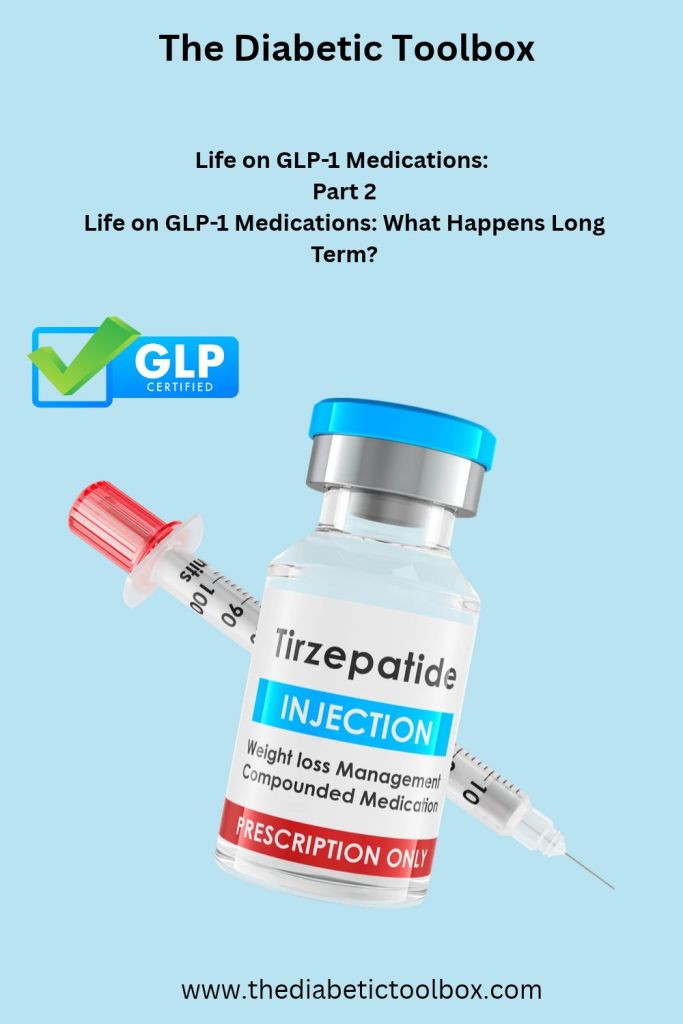
Part Two: The Question I Keep Hearing
Recently, during a coaching conversation, someone asked me a question that I think many people taking GLP-1 medications have wondered about. “Renee, my blood sugar is improving, I’m eating less, and I’m finally seeing changes in my weight. But what happens six months from now? What about a year from now? Will the medication keep working the same way?” This is why I love our community; we ask the best, most insightful questions.
That is an important question. When someone first starts a medication like Ozempic, Wegovy, or Mounjaro, they may feel excited about the changes they begin noticing. Hunger may become less intense. Blood sugar numbers may improve. Clothes may start fitting differently. But after those first few weeks, another question comes up. What does life look like when you’ve been taking one of these medications for months or even years?
Hello everyone, and welcome to The Diabetic Toolbox, where we are on a mission to end type 2 diabetes one family at a time through education, support, and empowerment.
If this is our first time meeting, my name is Renee. I am an emotional eating and diabetes lifestyle coach and yoga teacher. I help folks over 40 diagnosed with prediabetes lower their blood sugar, lose weight, and increase mobility without starving themselves or spending hours a day in the gym.
In Part One of this series, we covered how GLP-1 medications work in the body and why nourishing meals, protein, and strength-building movement matter while you’re taking them. Today, we’ll look a little further down the road. What can you expect after 90 days, six months, and one year? What should you watch for as your body responds to the medication?
The First 90 Days: Your Body Is Adjusting
The first three months of taking a GLP-1 medication are often a period of adjustment. Medications such as semaglutide, found in Ozempic and Wegovy, act on GLP-1 receptors that help regulate blood sugar and appetite. Tirzepatide, found in Mounjaro and Zepbound, acts on both GLP-1 and GIP receptors. Many people start on a lower dose, which their healthcare professional gradually increases. This gives the body time to adjust and can help reduce digestive side effects.
During those first 90 days, you may notice that you are not as hungry as before. You might feel satisfied with smaller meals or think about food less often. If you have type 2 diabetes, your blood sugar may begin improving during this time. Some people also start seeing changes in their weight. But not everyone responds at the same pace.
Some people experience nausea, constipation, diarrhea, or a feeling of fullness that makes eating uncomfortable. Others have relatively few side effects. And some people may not see much weight change during the first several weeks, especially while their medication dose is being adjusted. Here is what I hope you remember: The first 90 days are not a race to lose as much weight as possible. They are a time to learn how your body is responding. This is also a good time to stay in regular contact with your healthcare team.
Talk with them about your blood sugar readings, side effects, appetite changes, and whether you are eating enough to meet your nutritional needs. If you take insulin or certain other diabetes medications, your healthcare professional may need to adjust your treatment to reduce the risk of low blood sugar. Please do not ignore persistent vomiting, severe abdominal pain, or difficulty keeping fluids down. Those symptoms deserve prompt medical attention. The goal during these first few months is to find a treatment routine that is both effective and manageable.
Six Months: Looking Beyond the Scale
By the time someone has been taking a GLP-1 medication for six months, they may have a better sense of how their body responds to treatment. For some people, blood sugar levels have improved significantly. Others may have experienced meaningful weight loss or noticed that everyday activities are becoming easier. You might find that walking feels more comfortable, getting out of a chair takes less effort, or you have more confidence moving your body.
But I want to encourage you to look beyond the number on the scale. Weight loss is only one part of the picture. At six months, it is worth asking yourself a few questions.
- Am I eating balanced meals, even when I am not very hungry?
- Am I getting enough protein and other important nutrients?
- Am I doing activities that help maintain my strength?
- How is my energy throughout the day?
- And what are my blood sugar numbers telling me?
Remember, when someone loses weight, some of that weight can come from muscle as well as body fat. That is why maintaining muscle through appropriate nutrition and strength-building activity is so important. I often remind my clients that we are not just working toward a smaller body. We are working toward a body that can support us as we get older.
We want to walk, travel, play with our grandchildren, carry groceries, and enjoy everyday life. Six months is also a good time to review your progress with your healthcare team. Depending on your medical history and treatment goals, they may check your A1C, blood pressure, weight, kidney function, or other health measures.
If the medication is not producing the expected benefits, or side effects are interfering with daily life, your healthcare professional can help determine whether your treatment needs to change. And if you are making progress, this is an opportunity to recognize the habits that are helping you along the way.
One Year: What Does Long-Term Progress Look Like?
Now, let’s talk about what may happen after someone has been taking a GLP-1 medication for a year. One thing I want people to understand is that weight loss does not necessarily continue at the same pace forever. During the earlier months, some people experience more noticeable changes. Over time, weight loss may slow or eventually plateau.
That does not automatically mean the medication has stopped working. Your body may be adjusting to a lower weight, and the rate of weight loss can naturally change over time. Research has shown that medications such as semaglutide and tirzepatide can produce meaningful weight loss over a year or longer for many people.
For example, in a large clinical trial involving adults with obesity or overweight without diabetes, people taking tirzepatide lost an average of approximately 15% to 21% of their starting body weight over 72 weeks, depending on the dose. But those are research averages, not promises about what will happen to any one person.
As with any medication, your results vary by medication, dose, medical conditions, treatment response, and other factors. People with type 2 diabetes may experience different weight-loss results from those in trials involving people without diabetes. And remember, not everyone is taking these medications primarily to lose weight. For someone living with type 2 diabetes, maintaining better blood sugar control may be one of the most important benefits.
After a year, the conversation with your healthcare team may shift to maintaining progress and deciding what long-term treatment should look like. That might mean continuing the medication at an appropriate dose, reviewing other medications, or making changes based on your health goals and how well you tolerate treatment. There is no single timeline that works for everyone. What matters is whether your treatment continues to support your health, not whether the scale keeps moving every week.
What About Side Effects Over Time?
We talked a little bit about the side effects at the start of the blog. Another question people ask is whether side effects eventually go away. For many people, digestive symptoms are more noticeable when they first start treatment or when their dose increases. Nausea, constipation, diarrhea, and stomach discomfort may improve as the body adjusts. But that is not true for everyone.
Some folks continue experiencing digestive problems, and others may develop symptoms later in treatment. This is why it is important to keep communicating with your healthcare team, even if you have been taking the medication for several months. Do not assume that ongoing nausea, vomiting, dehydration, or difficulty eating is simply something you have to live with.
GLP-1-based medications also have important warnings and precautions, including concerns about pancreatitis and gallbladder problems. Your healthcare professional can help you recognize symptoms that require medical evaluation. Long-term treatment should involve more than checking whether you are losing weight. It should also include conversations about how you feel, whether you are getting adequate nutrition, and whether the medication’s benefits continue to outweigh the risks.
The Habits That Still Matter After One Year
I know this was a lot of information, but I want you to spend some time thinking about this: when someone first starts a GLP-1 medication, a lot of attention goes to what the medication is doing. But as the months go by, I encourage people to think about what they are doing to support their health alongside it.
- Are you building meals that nourish your body?
- Are you finding ways to move that feel comfortable and sustainable?
- Are you paying attention to stress, sleep, and emotional eating?
- And are you staying connected with your healthcare team?
These habits do not replace medication, and they cannot guarantee that weight loss or blood sugar improvements will continue. But they can help support your overall health, strength, and quality of life. I also remind folks that emotional eating deserves attention, even when medication has made hunger less noticeable. Sometimes we eat because we are hungry. Other times, we reach for food because we are stressed, tired, lonely, or overwhelmed.
A medication may reduce appetite, but it does not automatically resolve every emotional or behavioral pattern connected to eating. Learning to recognize those patterns and develop healthier ways to respond to them can be an important part of long-term well-being. And my friend, you do not have to master all of this overnight. Start where you are.
Not Sure What to Eat After a Prediabetes Diagnosis?
One thing I hear from people managing prediabetes or type 2 diabetes is that even when their blood sugar improves, figuring out what to eat can still feel confusing. And when medication changes your appetite, planning meals can become even more challenging. That is why I created a free resource to help make everyday eating a little easier.
Download the FREE What Am I Supposed to Eat Now? Starter Cookbook, created for people with prediabetes or type 2 diabetes who are ready to eat differently but aren’t sure where to begin.
You’ll receive the 14-Day Whole Food Starter Guide, including:
- 7 breakfasts
- 7 lunches
- 7 dinners
- 7 snacks
- A simple shopping list
- Practical meal-building tips
- A 14-day tracker to help you build consistent habits
No complicated meal plan. No separate meals for your family. Just simple, everyday food and practical guidance to help you answer the question: What am I supposed to eat now?
Whether you are taking a GLP-1 medication or managing your blood sugar through other approaches, these meal ideas can help you get started. If you are taking medication that significantly reduces your appetite, remember to discuss your individual nutritional needs with your healthcare team. Download the FREE Starter Cookbook and start with your next meal.
Your Health Journey Is About More Than the First Few Months
GLP-1 medications have opened new possibilities for many people living with type 2 diabetes and obesity. But long-term health is about more than what happens during the first few weeks of treatment. It is about understanding how your body responds over time, staying connected with your healthcare team, and building habits that support your health at every stage.
At 90 days, you may still be adjusting to the medication. At six months, you may be seeing meaningful changes in your blood sugar, weight, or daily activities. After a year, your focus may shift to maintaining progress and understanding what ongoing treatment means for you. There is no one-size-fits-all experience. And there is no reason to compare your progress with someone else’s.
Your health journey is your own, and progress deserves to be measured in more ways than pounds lost. Now, one more question often comes up when people begin thinking about the future. “Renee, what if I don’t want to stay on this medication forever?” That is an important conversation, and I don’t want to give you a quick answer.
In Part Three: Thinking About Stopping GLP-1 Medication? Here’s what you need to know: we will talk about what can happen when someone stops taking these medications, why appetite and weight may change, and how to work with your medical team to create a plan before making any changes.
We will also talk about emotional eating, blood sugar monitoring, and the importance of having support during that transition. Because deciding whether to continue or stop medication should never be something you feel pressured to figure out on your own.
All right, my friend, that is all I have for you today. I would love to hear from you in the comments. If you are taking a GLP-1 medication, how long have you been taking it, and what changes have you noticed in your health? Please share this post with someone you love who may benefit from this conversation.
And remember, change happens one habit, one choice, one day at a time.
Until next time, my friend, take care of yourself and each other.
With Peace & Love,
Renee

Not Sure What to Eat After a Prediabetes Diagnosis? Start with Your Next Meal
Download the FREE What Am I Supposed to Eat Now? A free starter cookbook/guide, created for people with prediabetes or Type 2 diabetes who are ready to eat differently but aren’t sure where to begin.
You’ll receive the 14-Day Whole Food Starter Guide + Quick Start Video Training, including 7 breakfasts, 7 lunches, 7 dinners, 7 snacks, a simple shopping list, meal-building tips, and a 14-day tracker.
No complicated meal plan. No separate meals for your family. Just simple, everyday food and practical guidance to help you answer the question:
Disclaimer: Health and Wellness Disclaimer
The Diabetic Toolbox provides content for educational and informational purposes only and is not a substitute for professional medical advice, diagnosis, or treatment. Always consult your healthcare provider before changing your diet, medications, or exercise routine. All physical activities, including yoga and walking, carry a risk of injury, and participation is voluntary and at your own risk. Individual results vary, and we don’t guarantee specific improvements in health, fitness, weight loss, or blood sugar. Your health and safety are our priority, and we’re honored to be your health partner.

