Part One: The Conversation I Keep Hearing
Not long ago, a woman in one of my coaching groups told me something that stuck with me. She said, “Renee, I started taking one of those new diabetes medications, and suddenly I’m barely hungry. I’m losing weight, but I’m also not sure if I’m doing this right.”
I hear versions of that story all the time. Someone starts a medication like Ozempic, Wegovy, or Mounjaro and notices the appetite changes almost immediately. Food portions get smaller, cravings quiet down, and the scale may start to move. But then another question comes up. What am I supposed to eat now? How do I take care of my body while this medication is working?
Hello everyone, and welcome to The Diabetic Toolbox, where we are on a mission to end type two diabetes one family at a time, through education, support, and empowerment. If this is our first time meeting, my name is Renee. I am an emotional eating and diabetes lifestyle coach and yoga teacher, and I help folks over 40 diagnosed with prediabetes to lower their blood sugar, lose weight, and increase mobility, without starving themselves or spending hours a day in the gym.
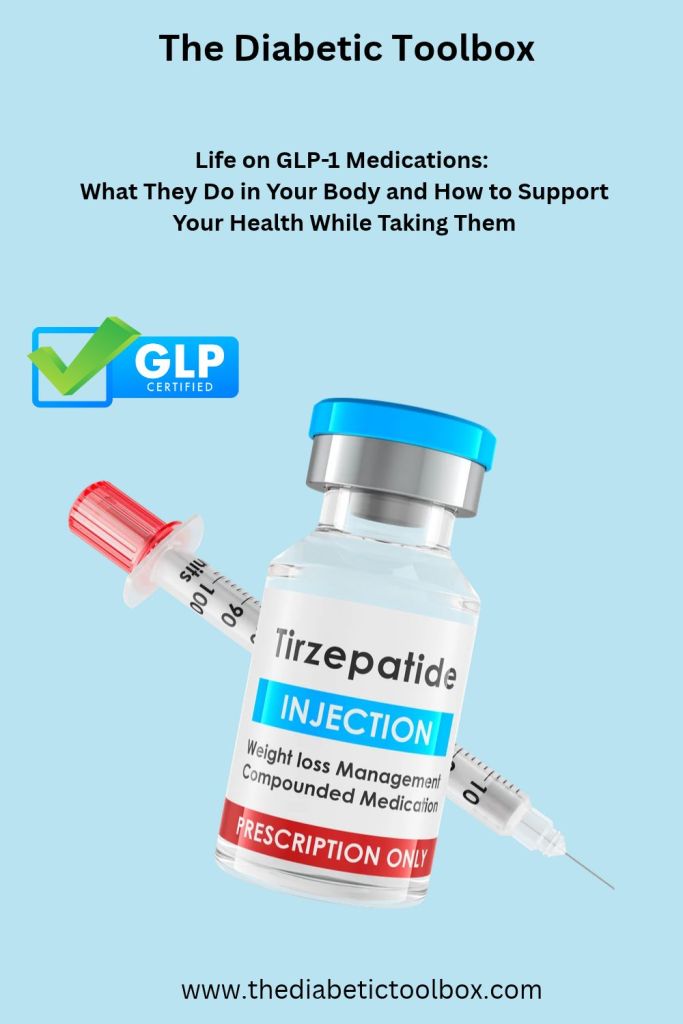
Today, we’re talking about life on GLP-1 medications and what you need to know about how these medications work and how to support your body while taking them.
What I Tell My Clients About How These Medications Work
When someone in my community starts a GLP-1 medication, one of the first things I try to do is explain what is happening inside the body in a way that is easy to understand. These medications mimic a natural hormone called GLP-1, which helps regulate blood sugar and appetite. They work by helping the body manage blood sugar, slowing how quickly food leaves the stomach, and acting on brain signals that help control hunger and fullness.
That is why some people taking these medications notice they feel full sooner, stay satisfied longer, or simply don’t feel as hungry as before. For someone who has struggled with constant hunger or blood sugar swings, this can feel like a huge relief. I have had clients say it is the first time in years they are not thinking about food all day. That change alone can make managing diabetes feel much more possible.
The Part People Are Rarely Told
But here is the part that many people are not told when they start these medications.
When appetite drops, some people begin eating far less food than their body actually needs. I have seen clients who were barely getting enough protein or nutrients simply because they were not hungry. At first, it may not seem like a big deal, but over time the body can begin losing muscle along with body weight.
Muscle is incredibly important for people living with prediabetes or type two diabetes. It helps the body use glucose more efficiently and supports strength, balance, and daily mobility. When we protect muscle during weight loss, we are supporting long-term metabolic health. That is why paying attention to nutrition still matters, even when a medication is helping regulate appetite.
The Two Habits I Encourage the Most
When someone asks me where to start while taking a GLP-1 medication, I usually focus on two simple things. First, make sure each meal includes enough protein. Many people benefit from about twenty-five to thirty-five grams of protein at a meal. Protein helps maintain muscle and makes meals feel satisfying.
Second, include some form of strength-based movement during the week. This does not mean hours in the gym. It might be resistance bands in the living room, light weights, chair exercises, or simple body weight movements. The goal is to give your muscles a reason to stay strong while you lose weight.
I have watched many people gain confidence when they realize these changes do not have to be complicated. Small consistent actions can support the body in powerful ways.
A Simple Way to Build Your Meals
One of the easiest strategies I share with my clients is this. Start with protein when planning your meal. If the protein is there, everything else becomes easier to build around it. A meal might look like grilled chicken, salmon, eggs, beans, or tofu paired with vegetables and a healthy fat such as olive oil, nuts, or avocado. This combination supports balanced blood sugar and steady energy.
I also remind people to drink enough water and include fiber-rich foods like leafy greens, berries, and legumes. Because digestion slows while taking these medications, hydration and fiber can help the body stay comfortable and support healthy digestion.
Be Sure You Are Giving Your Body What It Needs
GLP-1 medications are helping many people manage blood sugar and lose weight in ways that once felt out of reach. I have seen the relief on people’s faces when hunger quiets down, and their health numbers start improving. At the same time, medication works best when it is paired with habits that support the body along the way. Nourishing meals, strength-building movement, and daily activity help protect muscle and support metabolic health while these medications are doing their work.
All right, my friend, that is all I have for you today. Please share this post with someone you love. Let us know in the comments what questions you have about GLP-1 medications.
Join us next time as we talk about what happens when someone stops taking GLP-1 medications and how to support the body during that transition.
Until next time, my friend, take care of yourself and each other.
With Peace & Love,
Renee

Not Sure What to Eat After a Prediabetes Diagnosis?
Download the FREE What Am I Supposed to Eat Now? Starter Cookbook, created for people with prediabetes or type 2 diabetes who are ready to eat differently but aren’t sure where to begin.
You’ll receive the 14-Day Whole Food Starter Guide, including 7 breakfasts, 7 lunches, 7 dinners, 7 snacks, a simple shopping list, meal-building tips, and a 14-day tracker.
No complicated meal plan. No separate meals for your family. Just simple, everyday food and practical guidance to help you answer: What am I supposed to eat now?
Download the FREE Starter Cookbook and start with your next meal.
Disclaimer: Health and Wellness Disclaimer
The Diabetic Toolbox provides content for educational and informational purposes only and is not a substitute for professional medical advice, diagnosis, or treatment. Always consult your healthcare provider before changing your diet, medications, or exercise routine. All physical activities, including yoga and walking, carry a risk of injury, and participation is voluntary and at your own risk. Individual results vary, and we don’t guarantee specific improvements in health, fitness, weight loss, or blood sugar. Your health and safety are our priority, and we’re honored to be your health partner.

