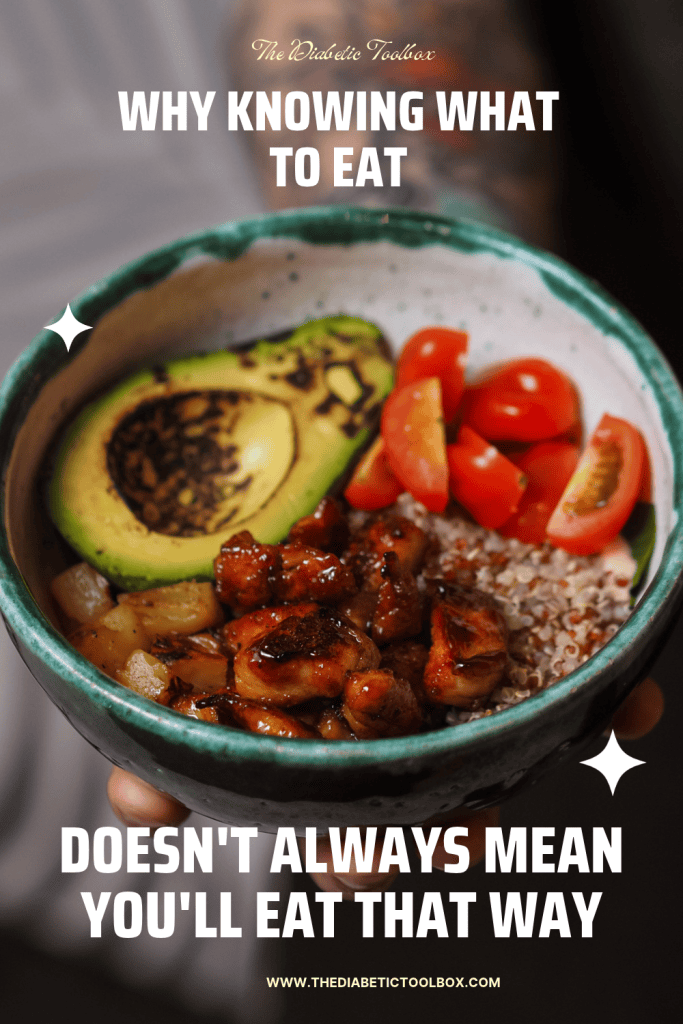
The human mind fascinates me. Using myself as an example, I can write in great detail about the benefits of buying groceries, packing my lunch, and cooking dinner at home. It saves me money, time, and calories, and I know exactly what is in my food. I understand the benefits. I teach the benefits. I even enjoy preparing my meals. But let me get to work, and somebody says, “Hey, I’m ordering food. Do you want anything?”
Suddenly, I have to remind myself that I already have lunch, my lunch is good, and I don’t need to order food! Now, isn’t that interesting? Nothing about my nutritional knowledge has changed between when I packed my lunch and when my coworker asked if I wanted to order food. So, what changed? My environment, the chance to do something different, and the appeal of doing something with my coworkers.
During both of my coaching certifications at HCI and the Diabetes Prevention Program through Emory University, we learned about behavior change and something that continues to fascinate me: Knowing what to do and actually doing it are two very different things.
Hello everyone, and welcome to The Diabetic Toolbox, where we are on a mission to end type 2 diabetes one family at a time through education, support, and empowerment.
If this is our first time meeting, my name is Renee. I am an emotional eating and diabetes lifestyle coach and yoga teacher. I help adults over 40 with prediabetes or type 2 diabetes lower their blood sugar, lose weight, and improve mobility without extreme dieting or spending hours in the gym.
Okay, friends, welcome to Part 3 of our meal prep series! Over the last two days, we’ve explored two practical approaches to making healthy eating easier. In Part 1: Meal Prep for Real People: 3 Simple Ways to Support Healthy Blood Sugar Without Spending All Day in the Kitchen, we talked about saving time, reducing food expenses, and preparing simple meals that fit your everyday life. In Part 2: Healthy Meal Delivery Services for Prediabetes and Type 2 Diabetes: How to Choose the Right Program for Your Lifestyle and Budget, we explored popular meal delivery services and how to choose convenient meals that support your nutritional needs.
Today, we’re shifting the conversation from food preparation to the emotional and behavioral side of eating. We’re talking about why knowing what to eat doesn’t always mean you’ll eat that way, and how understanding your behavior can help you develop healthier, more sustainable eating habits.
Why Knowing What to Eat Isn’t Always Enough
- Have you ever gone grocery shopping, bought everything you needed to prepare healthy meals for the week, and still ended up ordering takeout?
- Have you ever eaten something you weren’t particularly hungry for simply because you were stressed, bored, or overwhelmed?
- Have you ever enjoyed a holiday dessert and then decided that since you had already eaten something outside your usual routine, you might as well eat whatever you wanted for the rest of the day?
If any of these situations sound familiar, consider this. The challenge may not be a lack of nutritional knowledge. We already know which choices would support our health. What we haven’t learned is how to consistently make those choices when we’re tired, stressed, emotionally overwhelmed, or surrounded by competing temptations.
Food choices are influenced by much more than physical hunger. Our emotions, environment, relationships, memories, routines, and energy levels can all influence what we eat. This is why giving someone another list of foods to eat or avoid doesn’t necessarily solve the problem. You can have a refrigerator full of vegetables, a freezer full of prepared meals, and a cookbook full of healthy recipes and still struggle with your eating habits. Let’s explore why.
Decision Fatigue: When You’re Tired of Making Choices
Think about how many decisions you make before dinner, probably hundreds. What time should you get up? What should you wear? What needs to happen at work? Which bills need to be paid? Who needs your help today? By the time you get home, you may feel mentally exhausted. Deciding what to cook, how to prepare it, and whether you have the energy to clean the kitchen afterward feels like too much. Ordering food offers an immediate solution.
You can avoid the kitchen all together, no chopping vegetables, washing dishes, or figuring out what to do with the chicken you took out of the freezer. You simply pick up your phoen and place an order. This is one reason we talked about meal prepping and ready-made meals earlier in this series. Both approaches can reduce the number of food-related decisions you have to make when you’re already tired. However, having food available is only part of the solution. You also need to understand what makes an alternative choice appealing in that moment.
Stress and Emotional Eating: When Food Becomes a Source of Comfort
Food can be comforting. I can attest to that, a favorite meal reminds us of childhood, family gatherings, or someone we love. Eating provides a temporary distraction from a difficult situation. After a stressful day at work, you might reach for something sweet, salty, or crunchy because you’re looking for a moment of relief.
Don’t get me wrong, there is nothing inherently wrong with enjoying food or finding comfort in a favorite meal. The concern arises when eating becomes your primary way of responding to uncomfortable emotions, particularly when that pattern repeatedly interferes with your health goals. We’re trying to solve an emotional problem with food. The food may provide temporary comfort, but the situation that caused the stress is still waiting for us when we finish eating.
This is especially important during the holiday season, when family responsibilities, financial concerns, grief, loneliness, and social expectations can become overwhelming. Learning to recognize what you’re feeling can help you develop additional ways to care for yourself without expecting food to meet every emotional need.
All-or-Nothing Thinking: When One Food Choice Becomes an Entire Day
Let’s talk about something I hear frequently in coaching conversations. “I already messed up today, so I’ll start again tomorrow.” Or, during the holidays: “I’ll get back on track in January.” These are examples of all-or-nothing thinking. We set expectations for ourselves, and when we don’t meet them, we decide the entire effort has been unsuccessful.
Think about how that works with food. You planned to eat a balanced breakfast, lunch, and dinner, but someone brought doughnuts to work, and you decided to have one. Instead of enjoying the doughnut and continuing with your day, you tell yourself you’ve ruined everything.
Now you’re ordering lunch, eating snacks you weren’t particularly hungry for, and promising yourself you’ll do better tomorrow. But what actually happened? You ate a doughnut. That single food choice didn’t require you to abandon the rest of your healthy eating habits.
For someone managing prediabetes or type 2 diabetes, individual food choices can influence blood sugar, but one choice does not erase the benefits of the habits you’ve been developing. Your next meal is still an opportunity to nourish your body. You don’t need to wait until Monday, January, or the beginning of another month.
Familiar Habits: Why We Return to What We Know
Have you ever noticed how easy it is to return to an old routine when life gets difficult? It’s like hanging on to that old flame even though you know they are not good for you. But, that’s a topic for a different day. The familiar behaviors often require less conscious effort. If you’ve spent years ordering food after a stressful workday, that behavior can become closely associated with finishing work and finally being able to relax.
If you’ve always eaten while watching television, sitting down to watch your favorite program may automatically make you think about food, even when you’re not physically hungry. I had a client who wanted to quit smoking, she was find until she had a soda and then the urge to smoke became almost unbearable. Smoking and a soda had been her way of coping with her day.
Your surroundings can become cues that trigger familiar behaviors. This brings me back to my experience with ordering lunch at work. My coworker’s invitation creates a cue. Anticipating something different, joining a social experience, or enjoying the convenience of restaurant food can make ordering appealing. My prepared lunch in it’s cute container suddenly becomes less nutritious or less delicious. Because a competing reward has entered the picture. Understanding that distinction helps me recognize that I don’t necessarily need another lesson about healthy eating. I need a strategy for responding to that particular situation.
Three Practical Ways to Build Healthier Eating Habits
Tip 1: Create a Plan for Your Most Predictable Challenges
Instead of waiting until you’re facing a difficult food decision, think about the situations that regularly challenge your healthy eating habits. If coworkers frequently order lunch, decide ahead of time how you’ll respond. You might tell yourself, “If someone asks me to order food and I’ve already packed lunch, I’ll eat the lunch I brought and save restaurant meals for a day I’ve planned.” This is sometimes called an if-then plan, a behavior-change strategy that links a predictable situation to a specific response.
You can use the same approach during the holidays. If you know you’ll be attending an evening gathering, plan to eat balanced meals earlier in the day rather than arriving overly hungry. If evenings are stressful, keep a prepared meal available so you don’t have to make several decisions when you’re exhausted. The idea is to prepare not only your food but also your response to the situations that can interfere with your intentions.
Tip 2: Pause Long Enough to Understand What You Need
The next time you reach for food unexpectedly, give yourself a moment to become curious about what’s happening. Ask yourself, “Am I physically hungry? Am I tired? Am I stressed? Am I looking for comfort, connection, or a break?” Sometimes the answer will be hunger, and eating is exactly what your body needs. Sometimes you’ll discover that what you really need is rest, a conversation with someone you trust, a few minutes of quiet, or an opportunity to step away from a stressful situation.
You might try listening to music, journaling, practicing gentle yoga, or taking a short walk if that is appropriate for your health and mobility. These activities aren’t meant to replace food when you’re hungry. They’re meant to give you additional ways to respond to your emotional needs. If you take insulin or medications that can cause low blood sugar, don’t delay eating when you have symptoms of hypoglycemia. Check and treat your blood sugar according to your healthcare team’s instructions. Learning to understand your needs is about developing awareness, not creating another set of restrictive food rules.
Tip 3: Stop Treating Every Food Choice Like a Test You Can Pass or Fail
One of the most helpful things you can do for your relationship with food is stop assigning moral value to every eating decision. Enjoying a holiday dessert, ordering lunch with coworkers, or eating a favorite family recipe doesn’t make you a failure. Food choices have nutritional consequences, but they don’t determine your worth or your commitment to your health. If you eat something you hadn’t planned, acknowledge the experience and return to your usual eating routine at your next meal.
You don’t need to skip meals, severely restrict carbohydrates, or exercise excessively to compensate. During the holidays, give yourself permission to enjoy meaningful food traditions while continuing to practice the habits that support your blood sugar. When January and February arrive, you can continue those same habits instead of feeling pressured to begin another restrictive diet. the ability to recover from an unexpected situation is more valuable than trying to prevent every unexpected situation from happening.
One Simple Action You Can Take Today
Today, identify one eating behavior that regularly interferes with your health goals. Just one.
- Perhaps you order lunch even when you’ve packed food.
- Perhaps you snack while watching television, whether or not you’re hungry.
- Perhaps you turn to sweets after a difficult conversation or a stressful day.
Write down the situation and complete these three sentences:
When this happens: ____________________
I usually respond by: ____________________
The next time it happens, I will try: ____________________
For me, it might look like this: When someone at work asks if I want to order lunch, I usually start thinking about restaurant food, even though I’ve already packed a meal. The next time it happens, I’ll remind myself why I brought my lunch, enjoy the meal I’ve prepared, and remember that I can plan a restaurant meal for another day.
Notice that I’m not telling myself I can never order food again. I’m simply creating a more intentional response to a familiar situation. Try your new response over the next several days and pay attention to what happens. If it doesn’t work the way you expected, use that information to adjust your approach. Behavior change is a learning process.
You Need More Than a Meal Plan to Create Lasting Change
As we wrap up our three-part meal prep series, I want you to think about everything we’ve discussed. Preparing your meals can save time, reduce decision fatigue, and help you make more informed food choices. Meal delivery services can provide convenient alternatives when cooking doesn’t fit your schedule.
Understanding your eating behaviors can help you recognize why those prepared meals sometimes remain untouched in the refrigerator. All three conversations are connected. You can have the best meal plan in the world, but if it doesn’t account for your stress, emotions, environment, budget, and the demands of everyday life, you may find it hard to maintain.
This is why I’m passionate about combining diabetes lifestyle coaching with emotional eating coaching. Managing prediabetes or type 2 diabetes involves more than learning about carbohydrates, reading nutrition labels, or monitoring blood sugar. It also involves understanding yourself.
If emotional eating feels overwhelming or you regularly experience a loss of control around food, consider reaching out to a qualified mental health professional or registered dietitian with experience in eating behaviors and diabetes. You don’t have to navigate those challenges alone.
As we move through Thanksgiving, Christmas, January, February, and the months ahead, I encourage you to focus on building habits that support you through both the easy and difficult seasons of your life. You don’t need another eating plan that only works when your schedule is clear, your stress is low, and everything goes according to plan.
You need habits that can work on an ordinary Tuesday, after a difficult day at work, during a family gathering, and when someone asks if you want to order lunch. I am still learning that lasting change is not simply about knowing which foods to choose. It is also about creating habits that work when life gets difficult. Thank you for joining me for this three-part series. I hope these conversations have encouraged you to look at healthy eating differently and given you practical tools you can use throughout the year.
Not Sure What to Eat After a Prediabetes Diagnosis?
Download the FREE What Am I Supposed to Eat Now? Starter Cookbook, created for people with prediabetes or type 2 diabetes who are ready to eat differently but aren’t sure where to begin. You’ll receive the 14-Day Whole Food Starter Guide, including 7 breakfasts, 7 lunches, 7 dinners, 7 snacks, a simple shopping list, meal-building tips, and a 14-day tracker. No complicated meal plan. No separate meals for your family. Just simple, everyday food and practical guidance to help you answer: What am I supposed to eat now?
Download the FREE Starter Cookbook and start with your next meal. Remember, change happens one habit, one choice, one day at a time. Please share this post with someone you love, and until next time, take good care of yourself and each other..
With Peace & Love,
Renee
Disclaimer: Health and Wellness Disclaimer
The Diabetic Toolbox provides content for educational and informational purposes only and is not a substitute for professional medical advice, diagnosis, or treatment. Always consult your healthcare provider before changing your diet, medications, or exercise routine. All physical activities, including yoga and walking, carry a risk of injury, and participation is voluntary and at your own risk. Individual results vary, and we don’t guarantee specific improvements in health, fitness, weight loss, or blood sugar. Your health and safety are our priority, and we’re honored to be your health partner.

