Hello everyone, and welcome to The Diabetic Toolbox, where we are on a mission to end type 2 diabetes one family at a time through education, support, and empowerment.
If this is our first time meeting, my name is Renee. I am an emotional eating and diabetes lifestyle coach and yoga teacher. I help adults over 40 with prediabetes or type 2 diabetes lower their blood sugar, lose weight, and improve mobility without extreme dieting or spending hours in the gym.
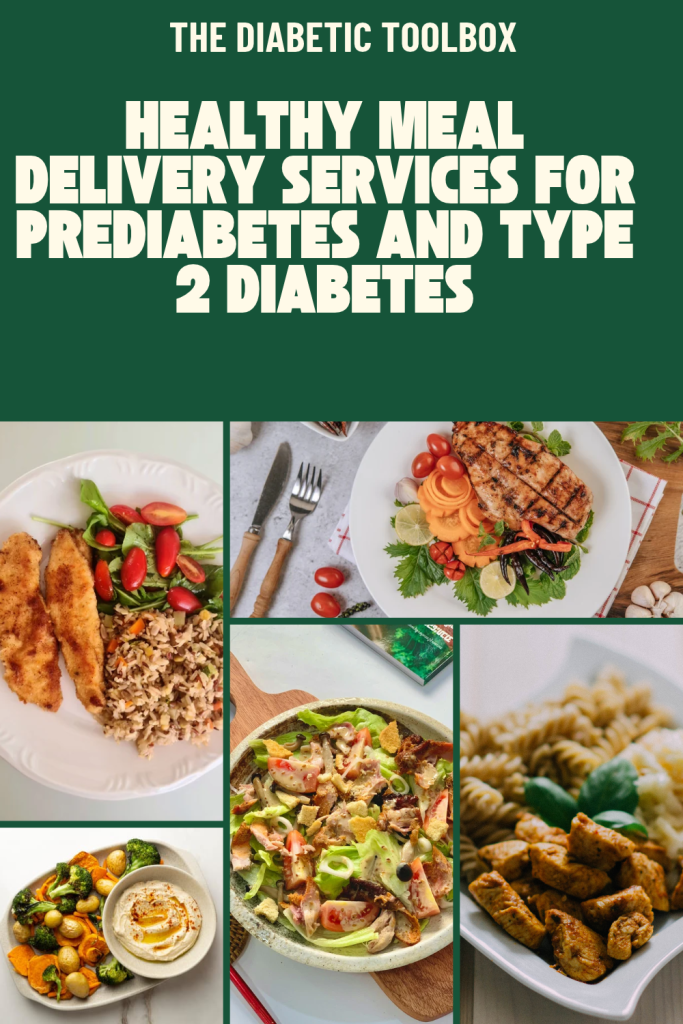
Welcome to Part 2 of our three-part meal prep series! Today, we’re talking about healthy meal delivery services for prediabetes and type 2 diabetes, including how to choose the right program for your lifestyle, budget, and blood sugar goals. This blog post is not sponsored. I have used HelloFresh in the past, but I wanted to share a few other meal delivery options.
Yesterday, we talked about meal prepping for real people and how preparing a few simple ingredients can save time, reduce decision fatigue, and make healthy eating easier. But I know what some of you are thinking. “Renee, that sounds wonderful, but what if I don’t want to meal prep at all?” Well, my friend, I’ve got something for you!
Because sometimes the best meal prep strategy is knowing when to let somebody else do the cooking! You’ve probably heard of HelloFresh and Factor, but several other meal delivery services are worth exploring. Some companies deliver fresh ingredients and recipes that you prepare at home. Others deliver fully cooked meals that you can heat and enjoy in minutes.
Now, before you pull out your credit card and sign up for the first service offering a discount, there are a few things I want you to know. Not every meal delivery service is the same, and not every meal advertised as healthy is automatically the best choice for someone managing prediabetes or type 2 diabetes. Let’s talk about how to find a service that makes your life easier while helping you make informed food choices.
Why Meal Delivery Services Matter When You’re Managing Blood Sugar
Let’s be realistic. Most of us have a lot going on. Between work, family responsibilities, appointments, holiday preparations, and everything else that fills our schedules, cooking dinner every evening can feel like one more job.
You might enjoy cooking a homemade meal, but sometimes you want something quick and convenient. You don’t even want to think about what you’re going to eat. I understand that feeling. Remember, I told you yesterday that I’m the queen of food delivery!
There’s something wonderful about having somebody else take care of dinner, especially after a long day. The problem is that ordering food without considering portions, ingredients, or nutrition information can make blood sugar management more challenging. That’s where meal delivery services can be helpful.
They can reduce the time spent planning meals, grocery shopping, and cooking. Some services also provide nutrition information that can help you make more informed choices. For adults over 40 managing prediabetes or type 2 diabetes, this can be particularly useful when you’re trying to establish consistent eating habits without following an extreme diet. But convenience doesn’t automatically equal good nutrition.
A meal can be labeled low-carb, high-protein, keto-friendly, or healthy and still contain more sodium, saturated fat, or calories than you expected. It can also be low in carbohydrates but lack enough fiber or vegetables to help you feel satisfied. The goal isn’t simply to find somebody who will deliver food to your doorstep. The goal is to find a service that nourishes your body, fits your budget, and makes everyday eating easier.
Tip 1: Understand the Difference Between Meal Kits and Ready-Made Meals
Before you choose a meal delivery service, ask yourself one simple question. Do I want to cook, or do I want somebody else to do the cooking? Because those are two very different experiences. Meal kits generally provide ingredients, recipes, and instructions so you can prepare the food yourself. Ready-made meal services deliver meals that are already cooked and usually only require reheating. Let’s look at a few popular options.
HelloFresh: For People Who Enjoy Cooking but Don’t Want to Plan Everything
HelloFresh is known for delivering meal kits containing ingredients and step-by-step recipes. This is the one my daughter swears by; I have used it before, and I love their menu. You select meals from the available weekly menu, choose the number of servings you need, and have the ingredients delivered to your home.
This can be helpful if you enjoy preparing dinner but dislike deciding what to cook or shopping for all the ingredients. For example, you might choose a chicken dinner with vegetables and potatoes or a protein-rich meal featuring fish and grains. You still do the cooking, but much of the planning and shopping has been handled for you.
HelloFresh also offers prepared meal options in some of its current offerings, so check which types of meals are available when ordering. What to consider for blood sugar management: Review the carbohydrates per serving, portion sizes, sauces, and vegetable content. You can sometimes adjust the amount of rice, pasta, or potatoes you serve while keeping the protein and vegetables. Explore: https://www.hellofresh.com
Factor: For People Who Want Fully Prepared Meals
Now, if you’re thinking, “Renee, I don’t even want to wash a cutting board, I don’t even own a cutting board,” Factor might be more your speed. Factor specializes in fully prepared meals that arrive refrigerated and are designed to be reheated. You choose meals from the weekly menu, receive your delivery, and follow the heating instructions.
My son used this service while training for a bodybuilding competition. Factor offers categories such as Carb Conscious and High Protein, although selections and menu categories can change. This can be convenient for people who work long hours, live alone, or want quick lunches and dinners without cooking.
What to consider for blood sugar management: Don’t assume a Carb Conscious meal automatically meets all your nutritional needs. Check the total carbohydrates, fiber, sodium, saturated fat, and serving size. Some meals may benefit from an additional serving of vegetables. Explore: https://www.factor75.com
Sunbasket: For People Who Want More Flexibility
Sunbasket is another option worth exploring because it offers different levels of meal preparation. Depending on the current menu, you may find traditional meal kits, meals that require less prep, and ready-to-heat options. This can work well if you enjoy cooking on certain days but prefer a quicker option when your schedule gets busy.
You might cook a meal on Sunday but choose a ready-made dinner for Wednesday when you know you’ll be home late. What to consider for blood sugar management: Compare individual meals rather than relying only on a dietary category name. Look for balanced portions, fiber-rich ingredients, vegetables, and adequate protein. Explore: https://sunbasket.com
CookUnity: For People Who Want Variety Without Cooking
CookUnity is new to me; I found it while researching this blog post, but it looks promising. It offers chef-prepared meals that arrive ready to heat and eat. This service may appeal to people who enjoy restaurant-style food and want more variety without ordering traditional takeout.
Your menus and availability depend on your delivery location. One week, you might choose a chicken dish with roasted vegetables. Another week, you could select a fish entree or a plant-based meal.
What to consider for blood sugar management: Restaurant-style meals can vary considerably in carbohydrate content, sodium, and portion size. Review the nutrition information for each selection before ordering. Explore: https://www.cookunity.com
No single meal delivery service is automatically the best choice for everyone with prediabetes or type 2 diabetes. The right program depends on your food preferences, cooking ability, household size, nutritional needs, and budget.
Tip 2: Learn How to Read the Nutrition Information Before Ordering
Now, let’s talk about something that can save you a lot of frustration. Just because a meal is advertised as healthy doesn’t mean it’s automatically the best choice for your blood sugar. I want you to get comfortable looking beyond the marketing language.
Words can be misleading; keto, low-carb, high-protein, and clean eating may sound appealing, but they don’t tell you everything about the meal. Start by looking at total carbohydrates. Carbohydrates affect blood sugar, but that doesn’t mean you need to eliminate them. Your body can benefit from carbohydrate-containing foods such as beans, fruit, whole grains, and vegetables. The amount that works best for you depends on your individual needs, activity level, medications, and healthcare recommendations.
Next, look at fiber. Fiber is one of those things we know should be in our diet but don’t always include; it supports digestion, can slow carbohydrate absorption, and may help you feel satisfied after eating. Meals containing vegetables, beans, lentils, and whole grains can provide valuable fiber.
Now, the one that everyone is familiar with: protein. Protein helps support muscle maintenance and can make meals more satisfying. This is especially important as we get older and want to maintain strength and mobility. Don’t forget to check sodium and saturated fat, particularly if you’re also managing high blood pressure or cholesterol.
Here’s a practical example. Imagine you’re comparing two chicken dinners. One contains chicken, a large serving of white rice, and a sweet sauce. The other contains chicken, roasted vegetables, and a moderate portion of brown rice. Both meals can fit into a balanced eating plan, but the second may offer more fiber and vegetables. You still need to review the nutrition information and portion sizes to decide which meal better fits your needs.
The best choice isn’t the meal with the fewest carbohydrates. It’s the meal that provides a satisfying combination of protein, fiber, vegetables, and an appropriate portion of carbohydrates. You may need to add a side salad or some frozen vegetables to make a delivered meal more balanced.
If you take insulin or medications that can cause low blood sugar, significant changes in carbohydrate intake or meal timing may require adjustments to your care plan. Talk with your healthcare team before making major changes. The point is to understand what you’re ordering instead of letting the label decide for you.
Tip 3: Choose a Meal Delivery Program That Fits Your Budget and Lifestyle
Now, let’s talk about the part that can make or break your meal delivery experience. The cost! Because convenience is wonderful, but not if you’re spending money you don’t have. I would love to have someone cook for me. I hear coaches all the time talking about how much time having a personal chef has saved them; that’s my goal, too. But meal deliveries that fit your budget can save you time going to the grocery store and reduce the waste from food we buy but don’t eat.
Meal delivery services often advertise introductory discounts, free meals, or special promotions. Those offers can be attractive, but pay attention to what happens after the promotion ends. A service that seems affordable during the first week may cost considerably more once the regular price kicks in.
Before you subscribe, calculate the full weekly cost, including meals, delivery charges, taxes, and any additional fees. Then divide that total by the number of meals you’re actually receiving.
If your complete weekly order costs $90 and includes six individual meals, you’re spending $15 per meal. That may be less than what you’re currently spending on restaurant delivery, especially when you include delivery fees and tips. On the other hand, it may be more expensive than cooking those same meals at home.
Neither choice is automatically wrong. You have to decide what works for your household. Next, think about how many meals you actually need. If you enjoy cooking on weekends, you might only need three or four prepared meals during the workweek. If you live alone, ready-made meals may help reduce food waste. That is where my daughter has had to adjust her deliveries; she was ordering way more meals than she needed and either gave them away or they spoiled. If you’re feeding several family members, a meal kit with multiple servings may be more practical.
During the holiday season, you might use a meal delivery service only during your busiest weeks. When January and February arrive, you can reassess your schedule and decide whether you want to continue, reduce deliveries, or return to preparing more meals at home. You don’t have to commit to receiving every meal through a delivery service. Using a service for a few meals each week can make your routine easier. Before signing up, check whether the company lets you skip weeks, change meal quantities, pause deliveries, or cancel your subscription. Pay close attention to ordering deadlines.
Some services automatically schedule recurring deliveries unless you make changes before the cutoff. You don’t want to discover that another box of meals is arriving when your refrigerator is already full! The best program isn’t necessarily the one with the most exciting menu or the biggest first-order discount. It’s the one that fits comfortably into your real life.
How to Order Your First Meal Delivery Box
If you’ve never used a meal delivery service before, the process is usually straightforward. Start by visiting the company’s official website and entering your ZIP code to confirm delivery availability. Next, choose the type of meals you want. Depending on the service, you may select meal kits, prepared meals, or a combination of both.
You’ll generally choose the number of meals and servings you want each week and what kind. Depending on the service, you might be able to choose vegan, vegetarian, or fish options if you don’t eat beef, chicken, or pork. Then browse the menu and review the nutrition information for individual meals. Look for options that include protein, vegetables, and carbohydrate portions that fit your needs. Before checking out, review the total cost, delivery schedule, recurring subscription terms, and deadlines for making changes.
Once your order arrives, follow the company’s instructions for refrigeration, freezing, and reheating. Refrigerated prepared meals have limited storage times, so pay attention to their use-by dates. One more thing: don’t feel obligated to order a full week’s worth of food the first time. If the service allows it, start with a smaller order. See whether you enjoy the meals, whether the portions satisfy you, and whether the convenience is worth the cost. We get excited about a new program and sign up before thinking about whether it fits our everyday routine. Give yourself an opportunity to evaluate the experience before making it a regular expense.
One Simple Action You Can Take Today
Today, choose one meal delivery service and explore its menu without purchasing anything. Look at three meals you would actually enjoy eating. Review the ingredients, nutrition information, and portion sizes. Then check the regular price, delivery fees, and subscription requirements. Ask yourself whether this service would solve a real problem in your daily routine.
- Would it save you time?
- Would it reduce how often you order takeout?
- Would it help you eat more balanced meals?
- Would it make your evenings less stressful?
If the answer is yes, it may be worth trying. If the answer is no, keep looking. You’re not searching for the fanciest meal delivery company. You’re searching for a practical tool that supports your health and your lifestyle.
Healthy Eating Doesn’t Mean You Have to Cook Everything Yourself
There is no prediabetes or type 2 diabetes that says you have to prepare every meal from scratch to manage your blood sugar. If cooking at home fits your schedule and budget, that’s great. But maybe a meal kit can make dinner easier. A fully prepared meal can help you avoid skipping dinner or making a last-minute choice simply because you’re exhausted. What matters is learning to make informed decisions about the food you eat.
The same approach applies whether you’re navigating Thanksgiving, Christmas, a busy January, or an ordinary Tuesday in February. You deserve eating habits that support your health without unnecessarily complicating your life.
Join Me Tomorrow: Why Knowing What to Eat Doesn’t Always Mean You’ll Eat That Way
Now, before you go, I want to leave you with something to think about. We’ve spent the last two days talking about making healthy eating easier. Yesterday, we explored simple meal prepping strategies. Today, we talked about meal delivery services and how they can help you put balanced meals on the table with less effort.
But here’s a question. If we know what we’re supposed to eat, why don’t we always eat that way? Think about that for a moment. You can have a refrigerator full of healthy food and still reach for something else. You can have a meal already prepared and still decide to order takeout.
You can understand the importance of managing your blood sugar and still struggle with emotional eating, stress eating, or eating out of habit. The challenge isn’t a lack of nutrition knowledge. It’s understanding what drives our food choices.
We eat because we’re physically hungry. We eat because we’re tired, stressed, lonely, or overwhelmed. Food has simply become part of how we comfort ourselves after a difficult day. Tomorrow, in Part 3 of our series, we’ll explore “Why Knowing What to Eat Doesn’t Always Mean You’ll Eat That Way.”
We’ll talk about the emotional and behavioral side of eating, why willpower isn’t the whole answer, and how to develop habits that support your health without turning food into another source of guilt or frustration. Because knowing what to eat is one thing. Understanding why you eat the way you do is another. Join me tomorrow. You won’t want to miss this conversation.
Not Sure What to Eat After a Prediabetes Diagnosis?
Download the FREE What Am I Supposed to Eat Now? Starter Cookbook, created for people with prediabetes or type 2 diabetes who are ready to eat differently but aren’t sure where to begin. You’ll receive the 14-Day Whole Food Starter Guide, including 7 breakfasts, 7 lunches, 7 dinners, 7 snacks, a simple shopping list, meal-building tips, and a 14-day tracker.
No complicated meal plan. No separate meals for your family. Just simple, everyday food and practical guidance to help you answer: What am I supposed to eat now? Download the FREE Starter Cookbook and start with your next meal.
Remember, change happens one habit, one choice, one day at a time.
Please share this post with someone you love, and until next time, take good care of yourself and each other.
With Peace & Love,
Renee
Disclaimer: Health and Wellness Disclaimer
The Diabetic Toolbox provides content for educational and informational purposes only and is not a substitute for professional medical advice, diagnosis, or treatment. Always consult your healthcare provider before changing your diet, medications, or exercise routine. All physical activities, including yoga and walking, carry a risk of injury, and participation is voluntary and at your own risk. Individual results vary, and we don’t guarantee specific improvements in health, fitness, weight loss, or blood sugar. Your health and safety are our priority, and we’re honored to be your health partner.

