Hello friends, I am starting a new series designed to assist employers in better supporting staff diagnosed with type 2 diabetes and prediabetes. As an employer, understanding the basics of prediabetes and type 2 diabetes is crucial for helping your workforce’s health and productivity. These conditions are increasingly prevalent, and early intervention can significantly impact employees’ well-being and your organization’s bottom line. This article provides essential information about symptoms, risk factors, and the importance of early intervention, along with practical questions to help you assess how diabetes might affect your workforce.
Symptoms and Risk Factors
Prediabetes
Prediabetes is a condition where blood sugar levels are higher than usual but not yet high enough to be diagnosed as type 2 diabetes. It is a critical warning sign that should not be ignored. Common symptoms include:
- Increased thirst
- Frequent urination
- Fatigue
- Blurred vision
- Risk Factors:
- Overweight or obesity
- Age (45 years and older)
- Family history of diabetes
- Sedentary lifestyle
- High blood pressure
- Poor diet
Type 2 Diabetes
Type 2 diabetes is a chronic condition affecting how the body processes blood sugar (glucose). If unmanaged, it can lead to serious health complications. Symptoms include:
- Unusual thirst and hunger
- Frequent urination
- Unintended weight loss
- Fatigue
- Slow-healing sores
- Frequent infections
- Risk Factors:
- Prediabetes
- Obesity
- Lack of physical activity
- Poor diet
- Age (45 years and older)
- Family history of diabetes
- Ethnicity (higher risk among African American, Hispanic, Native American, and Asian American populations)
The Importance of Early Intervention
As an employer, you hold a crucial role in preventing the progression of prediabetes to type 2 diabetes and mitigating complications for those already diagnosed. Your actions, such as implementing workplace wellness programs, conducting health screenings, and enacting supportive policies, can make a significant difference.
Free Download: The Diabetes Walking Kit
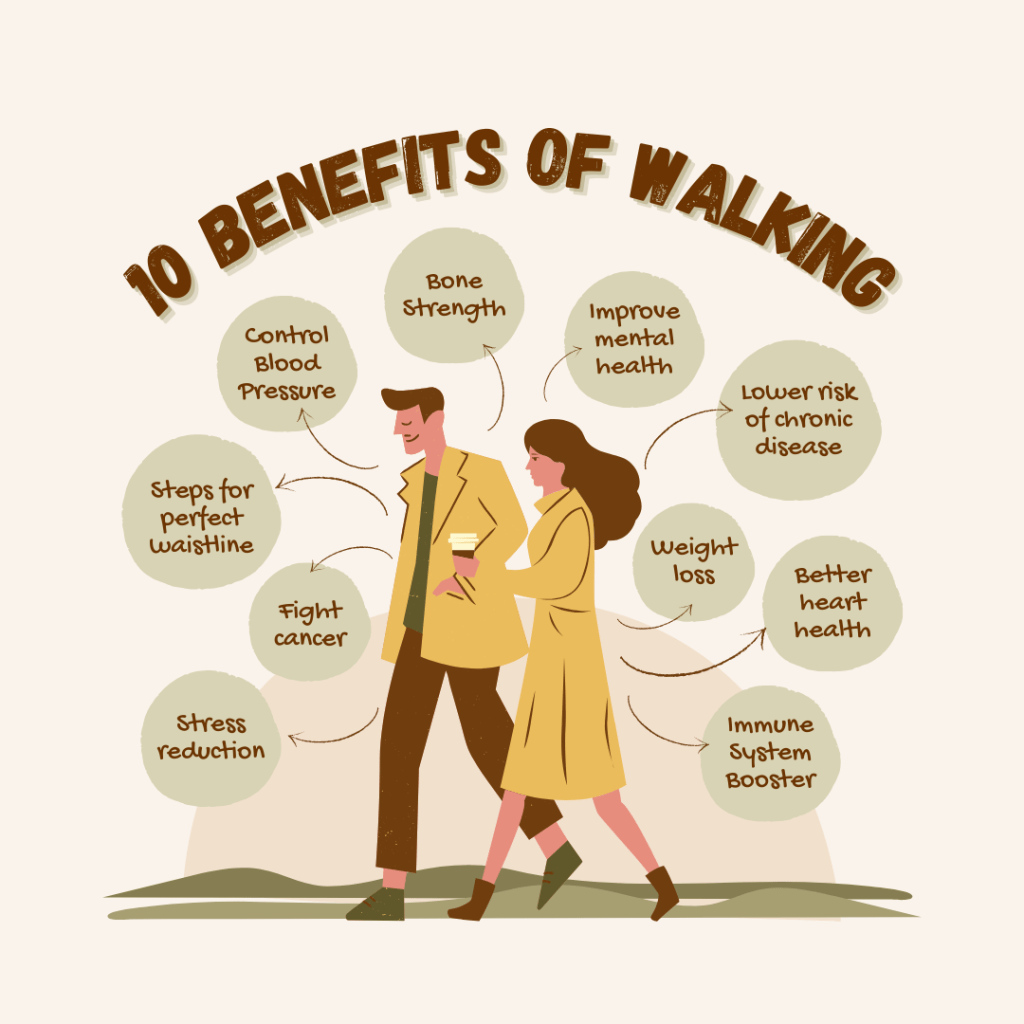
Are you ready to take control of your health and embrace a more active lifestyle? Lose your first or next eight pounds with our Free Diabetes Walking Kit, designed for individuals diagnosed with prediabetes or type 2 diabetes who want to lose weight, lower their blood sugar, and increase mobility. Includes 30-day walking calendar and 14 day colorful clean eating guide. Download your free kit today!
Benefits of Early Intervention:
– Reduces healthcare costs
– Decreases absenteeism
– Enhances productivity and morale
– Promotes a healthier work environment
Practical Questions for Employers
To better understand how diabetes might impact your workforce and what steps you can take, consider the following questions:
1. How Prevalent is Diabetes in Your Workforce?
– Conduct health surveys and screenings to assess the prevalence of prediabetes and type 2 diabetes among your employees. Understanding the scope of the issue will help you tailor your wellness initiatives effectively.
2. What Wellness Programs and Resources Are Available?
– Evaluate the current wellness programs offered by your organization. Are there resources for healthy eating, physical activity, and diabetes education? Consider implementing or enhancing programs focusing on lifestyle changes to prevent and manage diabetes.
3. How Can You Foster a Supportive Environment?
– Create a workplace culture that supports healthy habits. This could include offering healthy snacks in break rooms, providing time for physical activity, and promoting work-life balance. Ensure employees access necessary healthcare services, including regular check-ups and diabetes management support.
Understanding prediabetes and type 2 diabetes is essential for employers who want to maintain a healthy, productive workforce. Recognizing symptoms and risk factors and prioritizing early intervention can create a supportive environment that benefits your employees and your organization. Use the questions provided to assess your current efforts and identify areas for improvement, ensuring that your workplace is equipped to address and manage diabetes effectively. Employers can significantly impact their employees’ health, reduce healthcare costs, and foster a positive, productive work environment by taking proactive steps.
With Peace & Love,
Renee


If employers encouraged workers to eat a proper meal and take a walk outside at lunchtime, or allowed workers to go to the gym, and make the time up by coming in earlier or staying later, it would help. The office cake culture also has a role in promoting obesity in the workforce. I don’t know what they can do to discourage this, but keeping it to a Friday only would help.
LikeLike
Kaiti the crazy thing is it is so hard to change this culture, my office suggested having a fruit and veggie spread instead of pizza and wings for social workers appreciation week, and they didn’t even reply to our suggestion. I am hoping that folks will share these Friday blogs with their management teams. Thank you for being part of our community.
LikeLiked by 1 person