
Living with type 2 diabetes requires careful management of diet and lifestyle to maintain healthy blood sugar levels. One trend that has gained popularity in recent years is the gluten-free diet. Initially designed for individuals with celiac disease, a gluten-free diet avoids all foods containing gluten, a protein found in wheat, barley, and rye. But should you start a gluten-free diet if you have been diagnosed with type 2 diabetes? Let’s explore the potential benefits, challenges, and considerations of adopting this diet. If you want to try a gluten-free meal for a day, I have included one at the end of the blog.
Understanding Gluten and Its Impact on Health
Gluten is a protein that helps foods maintain their shape, as a glue that holds food together. For most people, gluten is harmless, but for those with celiac disease or gluten sensitivity, consuming gluten can lead to severe digestive issues, nutrient deficiencies, and other health problems. A gluten-free diet is essential for these individuals.
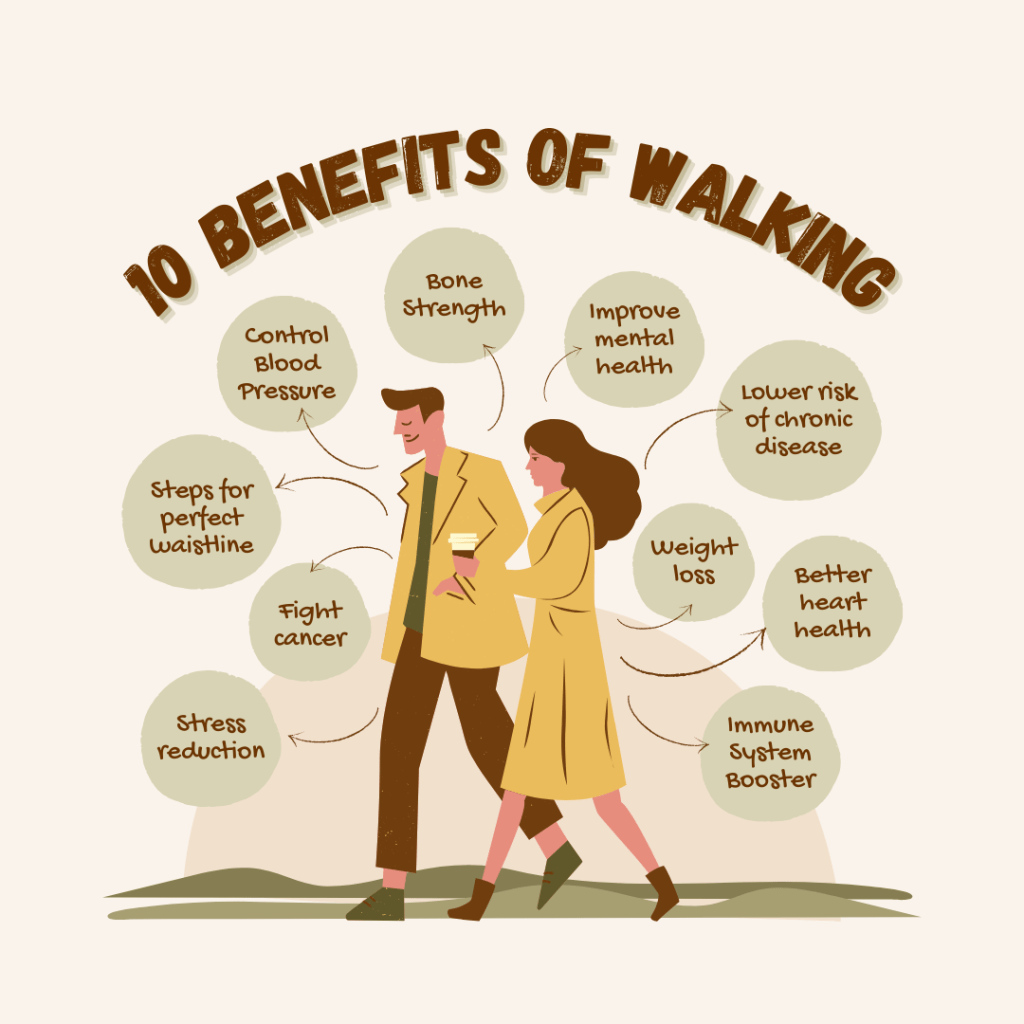
Free Download: The Diabetes Walking Kit
Are you ready to take control of your health and embrace a more active lifestyle? Lose your first or next eight pounds with our Free Diabetes Walking Kit, designed for individuals diagnosed with prediabetes or type 2 diabetes who want to lose weight, lower their blood sugar, and increase mobility. Includes 30-day walking calendar and 14 day colorful clean eating guide. Download your free kit today!
Potential Benefits of a Gluten-Free Diet for Type 2 Diabetes
- Improved Digestive Health: If you have gluten sensitivity or celiac disease, a gluten-free diet can alleviate symptoms like bloating, diarrhea, and abdominal pain, leading to better digestive health.
- Reduced Inflammation: Some studies suggest that a gluten-free diet may help reduce inflammation, a common issue for individuals with type 2 diabetes. Lower inflammation levels can improve insulin sensitivity and overall metabolic health.
- Better Food Choices: Adopting a gluten-free diet often involves avoiding processed foods and focusing on whole, nutrient-dense options like fruits, vegetables, lean proteins, and gluten-free whole grains. These healthier choices can benefit blood sugar management and overall health.
- Weight Management: Some people find that a gluten-free diet helps them manage their weight more effectively. Maintaining a healthy weight is crucial for managing type 2 diabetes and preventing complications.
Challenges of a Gluten-Free Diet
- Nutritional Deficiencies: Gluten-free products can be lower in specific nutrients, such as fiber, iron, and B vitamins. It’s essential to ensure you get these nutrients from other sources or supplements to avoid deficiencies.
- Cost and Accessibility: Gluten-free products can be more expensive and less readily available than their gluten-containing counterparts. This can make it challenging to maintain a diet in the long term.
- Complexity and Social Factors: Adopting a gluten-free diet requires careful planning and label reading, which can be time-consuming. Social situations, such as dining out or attending gatherings, may also become more complicated.
Considerations Before Starting a Gluten-Free Diet
- Consult Your Healthcare Provider: Before making any significant dietary changes, it’s crucial to consult your healthcare provider or a registered dietitian. They can help determine if a gluten-free diet is appropriate for you and provide guidance on how to implement it safely.
- Monitor Blood Sugar Levels: Consider how your blood sugar levels respond to the gluten-free diet. Some gluten-free products may have higher glycemic indexes, impacting blood sugar control.
- Focus on Whole Foods: Prioritize whole, unprocessed foods to ensure you get the necessary nutrients and avoid gluten-free products high in sugar and unhealthy fats.
- Educate Yourself: Learn about gluten-containing ingredients and how to read food labels effectively. This knowledge will help you make informed choices and avoid hidden sources of gluten.
While a gluten-free diet can offer potential benefits for individuals with type 2 diabetes, it’s not a one-size-fits-all solution. Careful consideration, planning, and consultation with healthcare professionals are essential before switching. By focusing on whole, nutrient-dense foods and monitoring your body’s response, you can make informed decisions that support your diabetes management and overall well-being.
If you’re considering a gluten-free diet, remember that gluten-free foods are not necessarily healthier just because they do not contain gluten; take the time to educate yourself, seek professional guidance, and make gradual changes to ensure a smooth transition. Remember, managing type 2 diabetes is a lifelong journey, and finding the right dietary approach is a key step towards living a healthier, happier life. Are you currently managing type 2 diabetes? Have you tried a gluten-free diet? Share your experiences and tips in the comments below!
One-Day Gluten-Free Meal Plan for Individuals with Type 2 Diabetes
Maintaining a gluten-free diet while managing type 2 diabetes involves carefully selecting foods that help keep blood sugar levels stable and provide essential nutrients. Here’s a balanced one-day gluten-free meal plan to support your health goals.
Breakfast: Veggie-Packed Omelette
Ingredients:
- 2 large eggs
- 1/4 cup chopped spinach
- 1/4 cup diced bell peppers (red, yellow, or green)
- 1/4 cup chopped tomatoes
- 1/4 cup diced onions
- 1/4 avocado, sliced
- Salt and pepper to taste
- 1 teaspoon olive oil
Instructions:
In a bowl, whisk the eggs and season with salt and pepper.
Heat olive oil in a non-stick skillet over medium heat.
Sauté the onions and bell peppers until softened.
Add spinach and tomatoes, cooking until spinach wilts.
Pour the eggs over the veggies and cook until the omelet sets.
Fold the omelet in half and serve with avocado slices on top.
Mid-Morning Snack: Greek Yogurt with Berries
Ingredients:
- 1 cup plain Greek yogurt
- 1/2 cup mixed berries (strawberries, blueberries, raspberries)
- 1 tablespoon chia seeds
- Instructions:
- Mix the berries and chia seeds into the Greek yogurt.
- Enjoy as a refreshing and protein-packed snack.
- Lunch: Quinoa Salad with Grilled Chicken
- Ingredients:
- 1/2 cup cooked quinoa
- 1 grilled chicken breast, sliced
- 1/2 cup cherry tomatoes, halved
- 1/2 cup cucumber, diced
- 1/4 cup crumbled feta cheese (optional)
- 2 tablespoons olive oil
- 1 tablespoon lemon juice
- Salt and pepper to taste
Instructions:
Combine the cooked quinoa, cherry tomatoes, cucumber, and grilled chicken in a large bowl.
Whisk the olive oil, lemon juice, salt, and pepper in a small bowl.
Pour the dressing over the salad and toss to combine.
Sprinkle with crumbled feta cheese if desired.
Afternoon Snack: Apple Slices with Almond Butter
Ingredients:
- 1 medium apple, sliced
- 2 tablespoons almond butter
- Instructions:
- Dip apple slices in almond butter for a tasty and fiber-rich snack.
Dinner: Baked Salmon with Roasted Vegetables
Ingredients:
- 1 salmon fillet
- 1 tablespoon olive oil
- 1 teaspoon lemon juice
- Salt and pepper to taste
- 1 cup broccoli florets
- 1 cup cauliflower florets
- 1 medium carrot, sliced
Instructions:
Preheat the oven to 400°F (200°C).
Place the salmon fillet on a baking sheet lined with parchment paper. Drizzle with olive oil and lemon juice, and season with salt and pepper.
Toss the broccoli, cauliflower, and carrot slices in a bowl with olive oil, salt, and pepper.
Spread the vegetables around the salmon on the baking sheet.
Bake for 15-20 minutes or until the salmon is cooked through and the vegetables are tender.
Serve the salmon with the roasted vegetables on the side.
Evening Snack: Cottage Cheese with Sliced Peaches
Ingredients:
1/2 cup cottage cheese
1/2 peach, sliced
Instructions:
Top the cottage cheese with peach slices for a light and satisfying evening snack.
This gluten-free meal plan provides a balanced protein, healthy fats, and fiber intake, helping you manage blood sugar levels and maintain overall health. Adjust portion sizes and ingredients to fit your dietary requirements and preferences. Enjoy your meals and stay healthy!
With Peace & Love,
Renee
 The Diabetic Toolbox
The main benefit of adopting a gluten free diet is that by cutting out bread, pasta, pizza, pastry, breakfast cereals, biscuits, cakes and most desserts, you are also greatly limiting your starch and sugar intake. A lot of these foods are also very fatty or go with fatty foods such as butter, creamy sauces, cheese, sausage meat, and hydrogenated fat. Thus the calorie content can drop too. If you replace the gluten containing foods with vegetables, fruit, nuts, cheese, legumes, dark chocolate, meat and fish, your diet will be lower in carbohydrate, tend to be lower in fat, and will be higher in protein and phytonutrients.
LikeLike
Thank you so much for your comment, you are absolutely right! Cutting out those fatty foods you mentioned would be good for everyone even if they were not managing diabetes.
LikeLiked by 1 person